
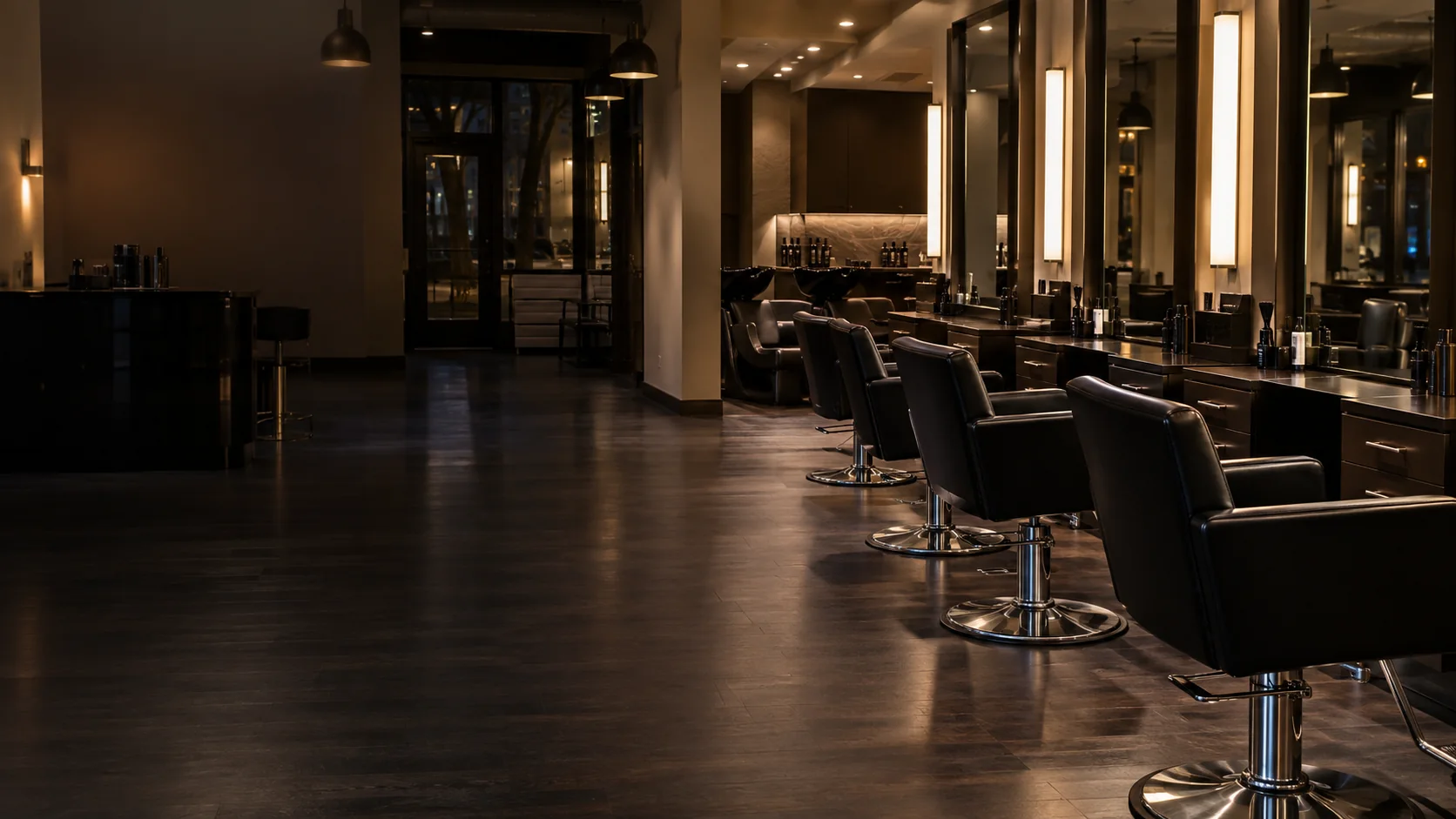
Salon chairs fail from the cleaning, not the clients
Colour, bleach and disinfectant do more to a styling chair than any body ever will. We recover and repair them on your floor, between closing and opening.
Chemistry, not wear
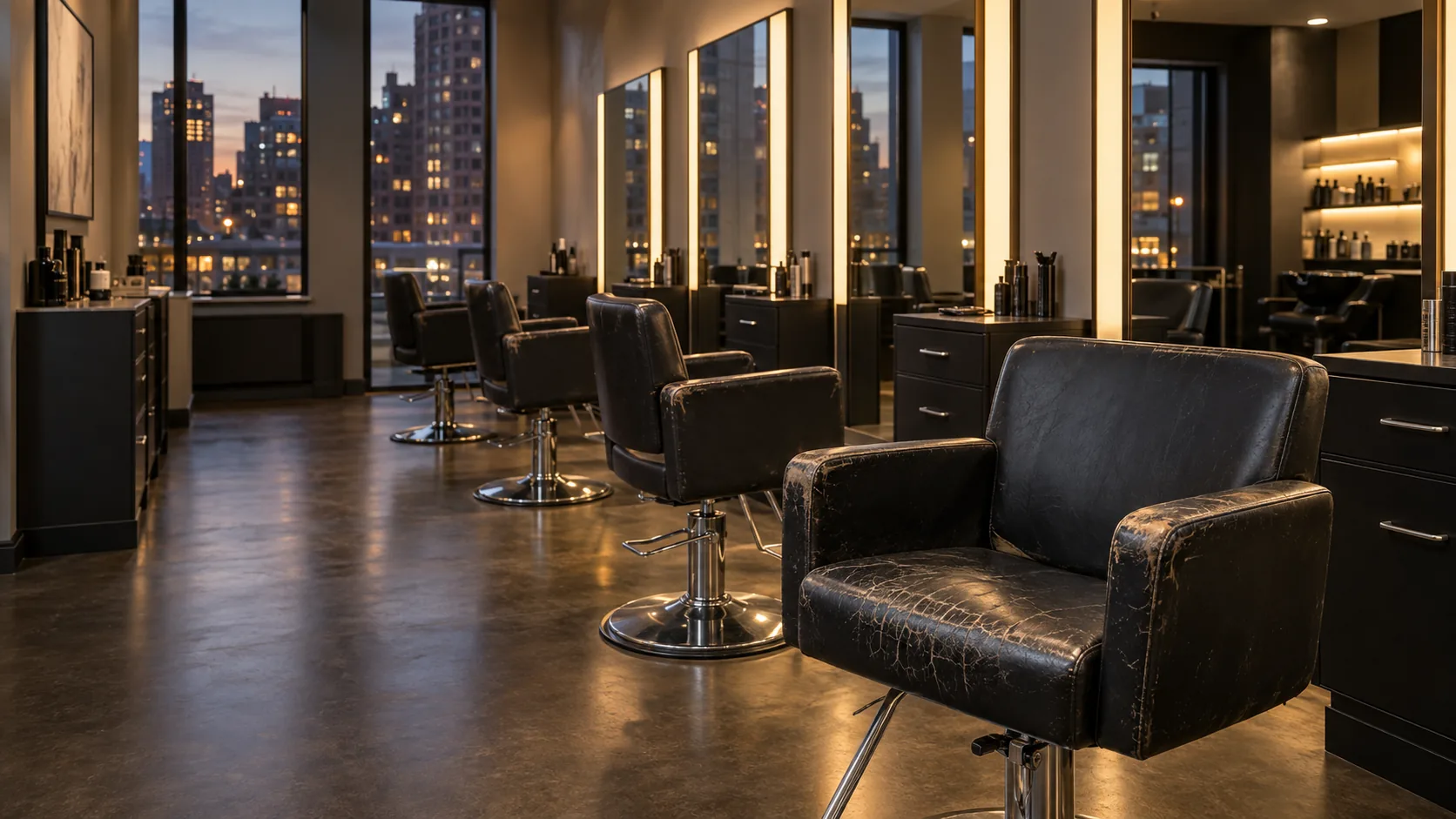
A styling chair takes maybe fifteen clients a day, which is nothing. What it also takes is colour splashed on the arm, bleach wiped off with whatever is to hand, and a disinfectant pass between every single one of them.
That is what strips a vinyl top coat, hardens it, and then cracks it at the front edge. Salon upholstery is a chemical problem wearing a wear-and-tear costume, which is why replacing like with like just restarts the clock.
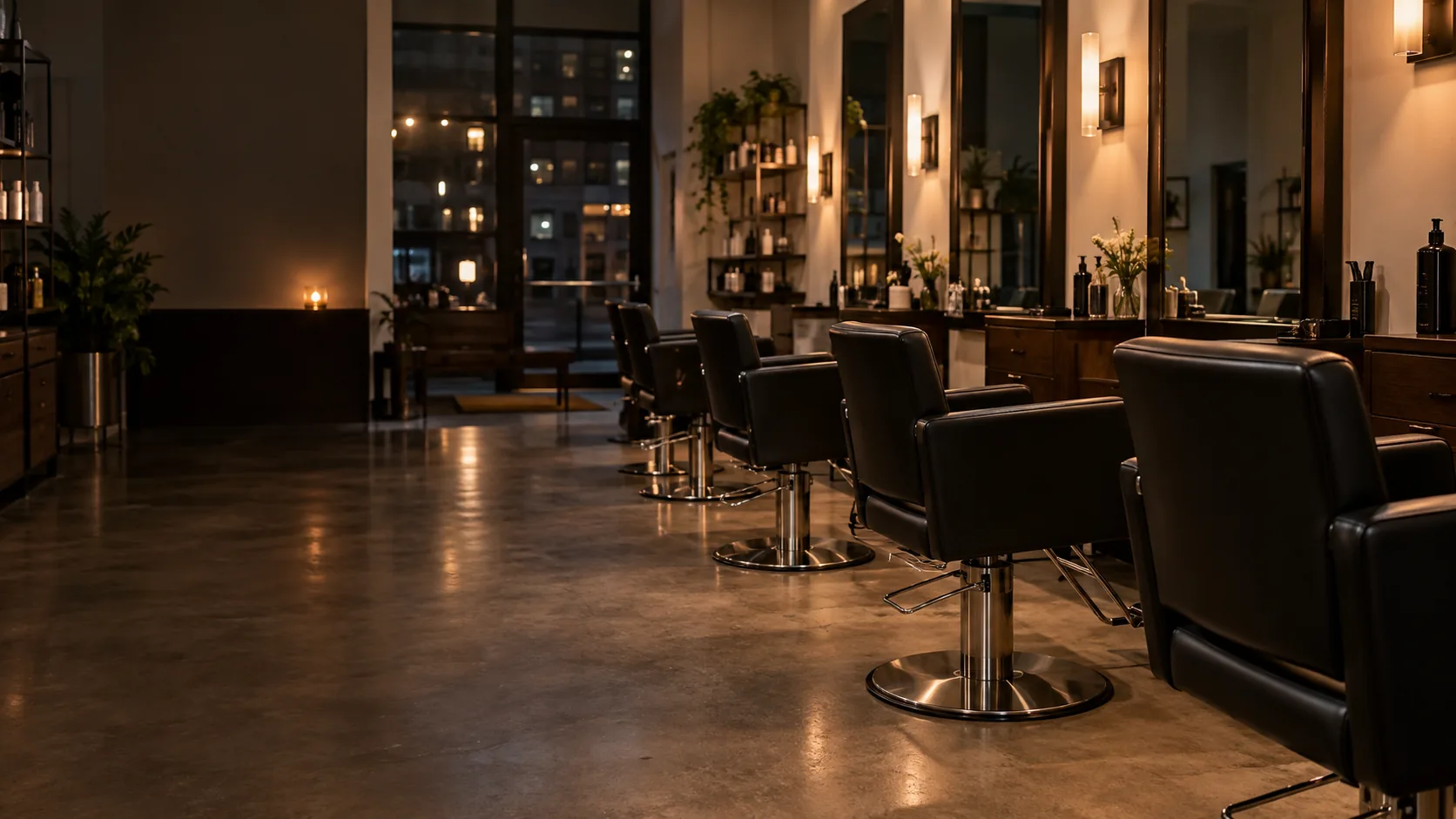
Done properly, salon upholstery in New Jersey is a night of work on your own floor rather than a week of chairs out of service, and it costs a fraction of replacing equipment that is otherwise sound.
Nearly all of this is done on your floor, after close or before the first appointment. Chairs do not leave, bases are not touched, and the room is ready for the morning.
What fails, and where
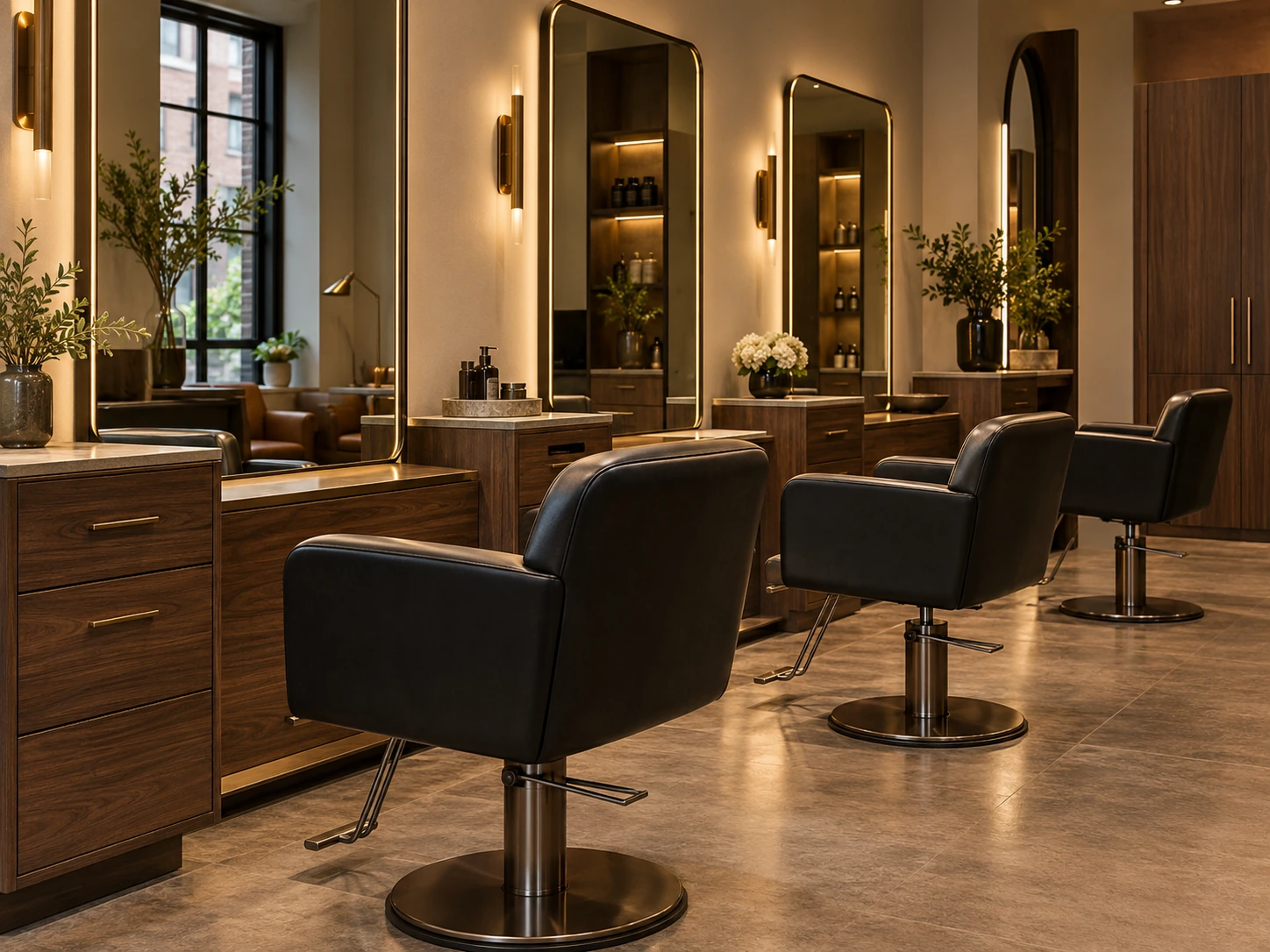
Arms first
Colour lands on the arm pads and sits there between clients. The seat usually outlives them.
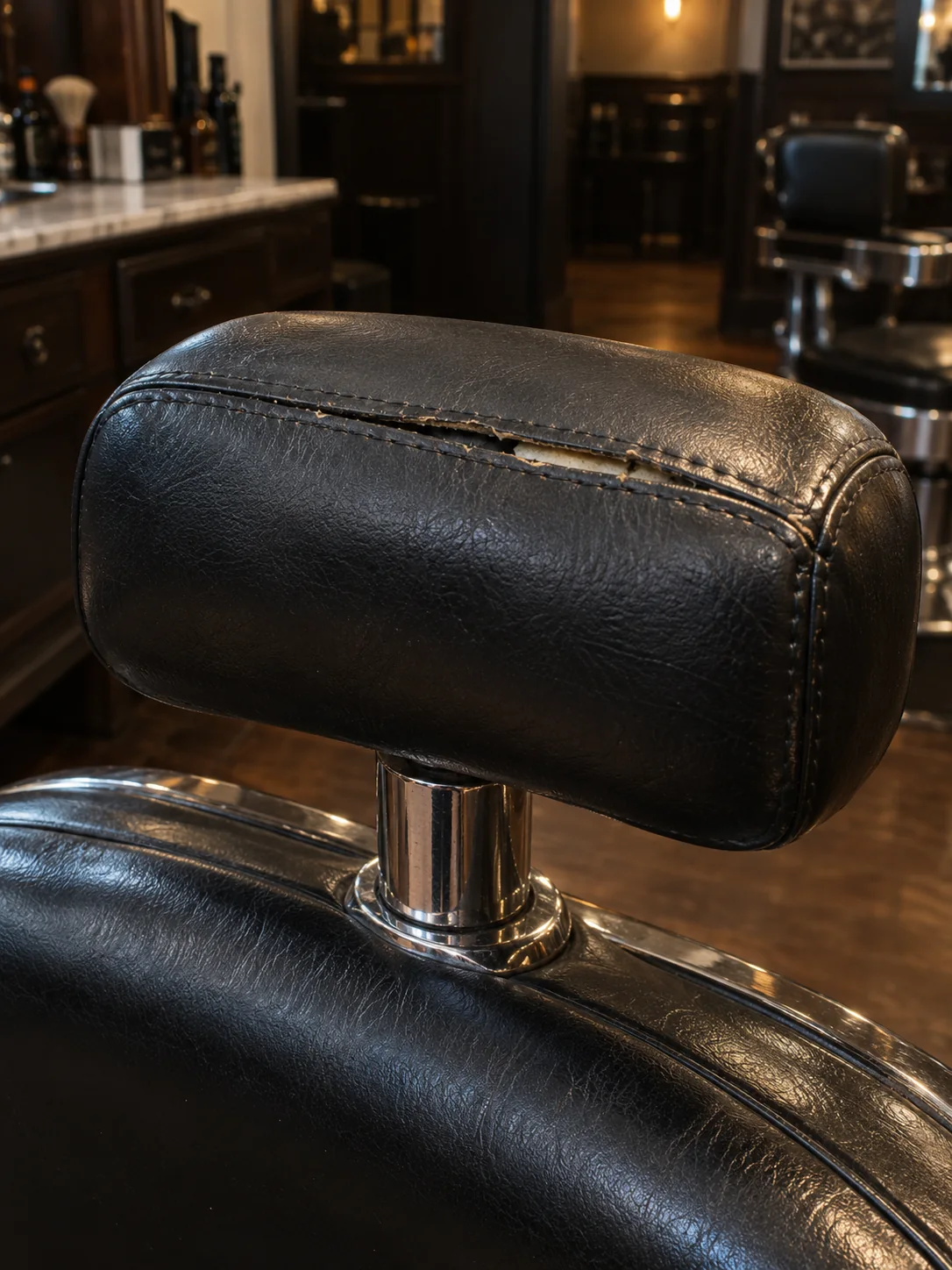
Headrests split
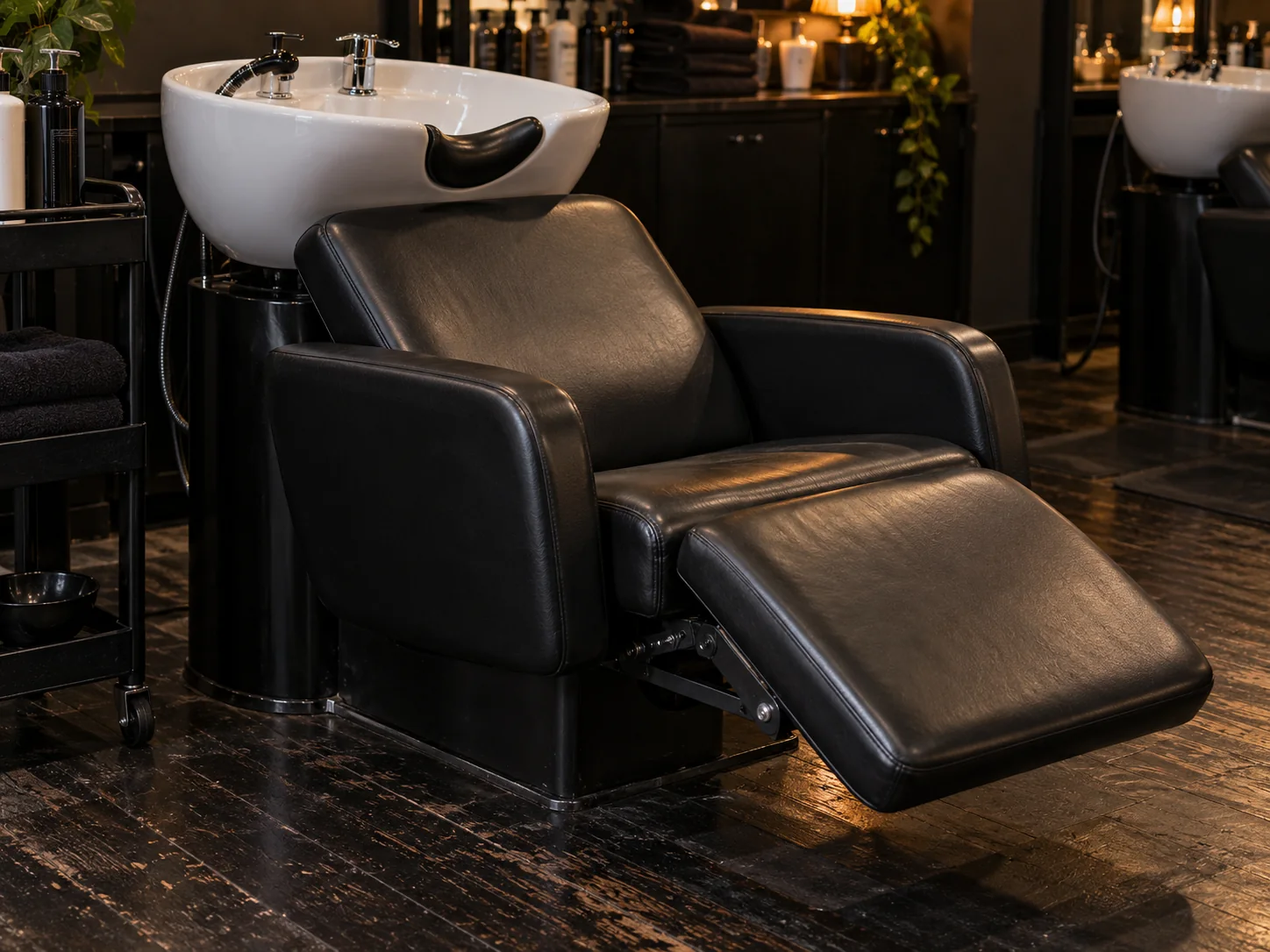
Reclined and raised all day. The headrest seam opens long before anything else.
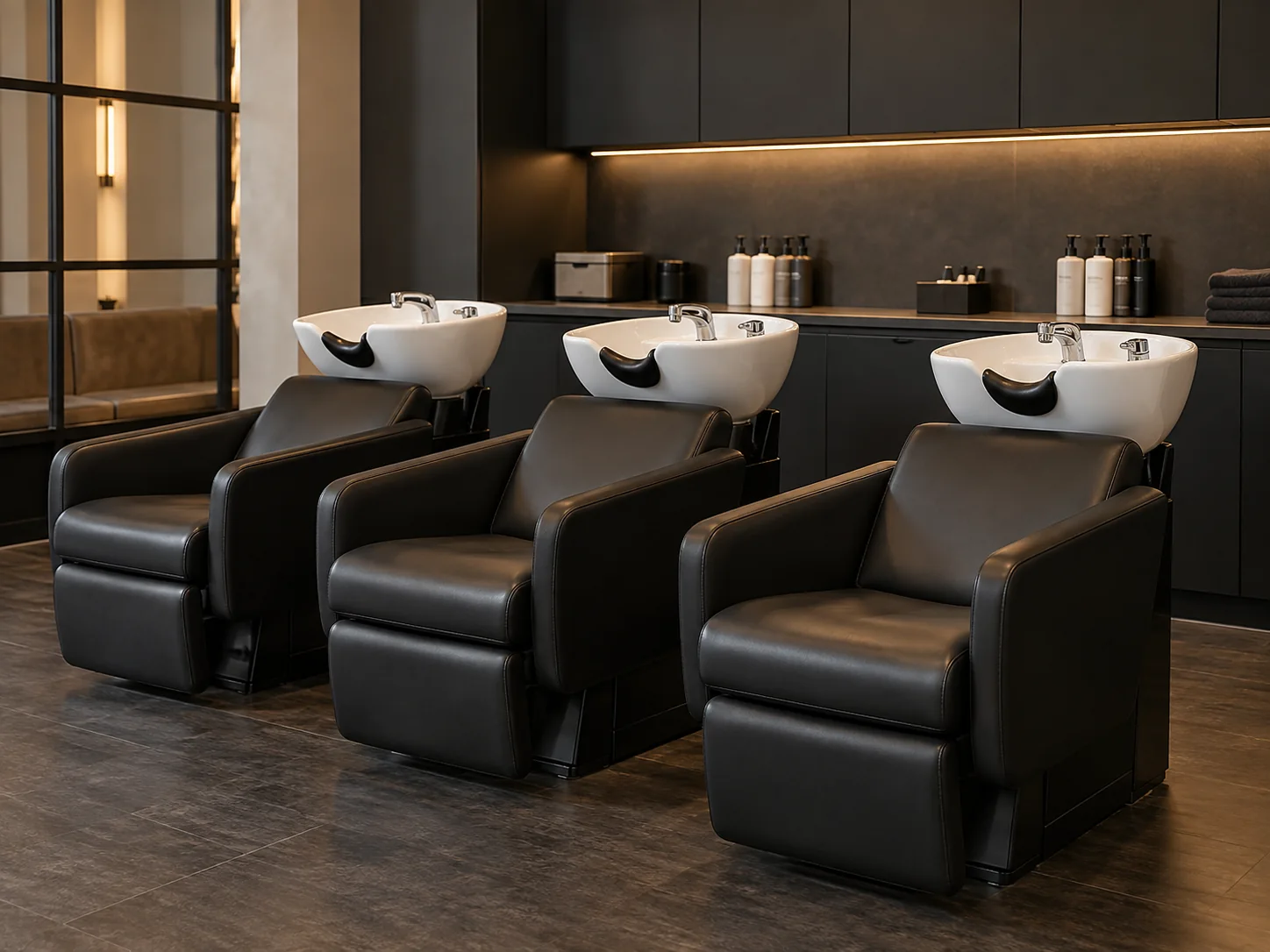
Permanently damp
Water, shampoo and neck contact. The one seat in the building that never dries out.
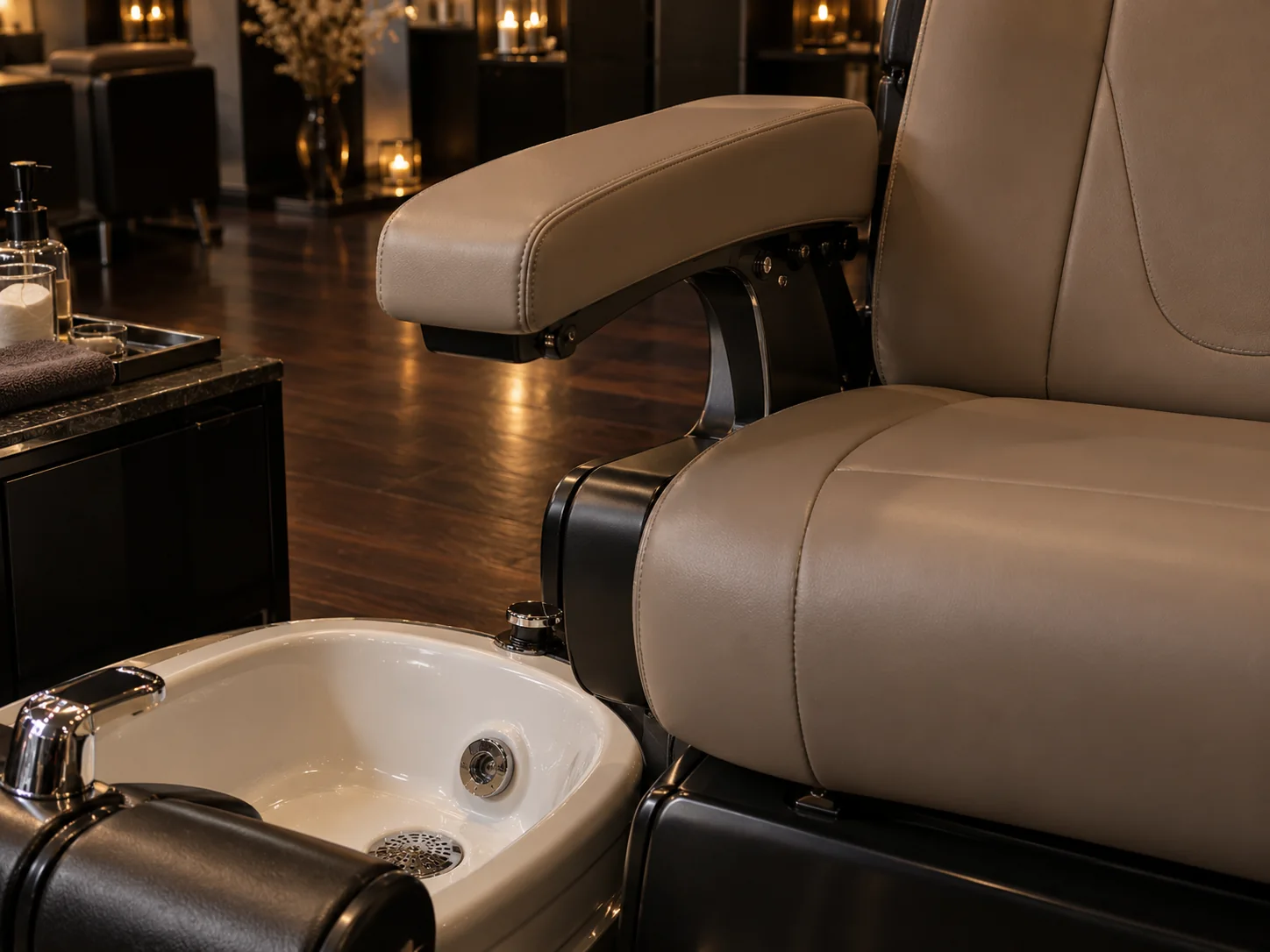
Arms and basin edge
Acetone and water at the same point every time. Arm pads go, the rest holds.
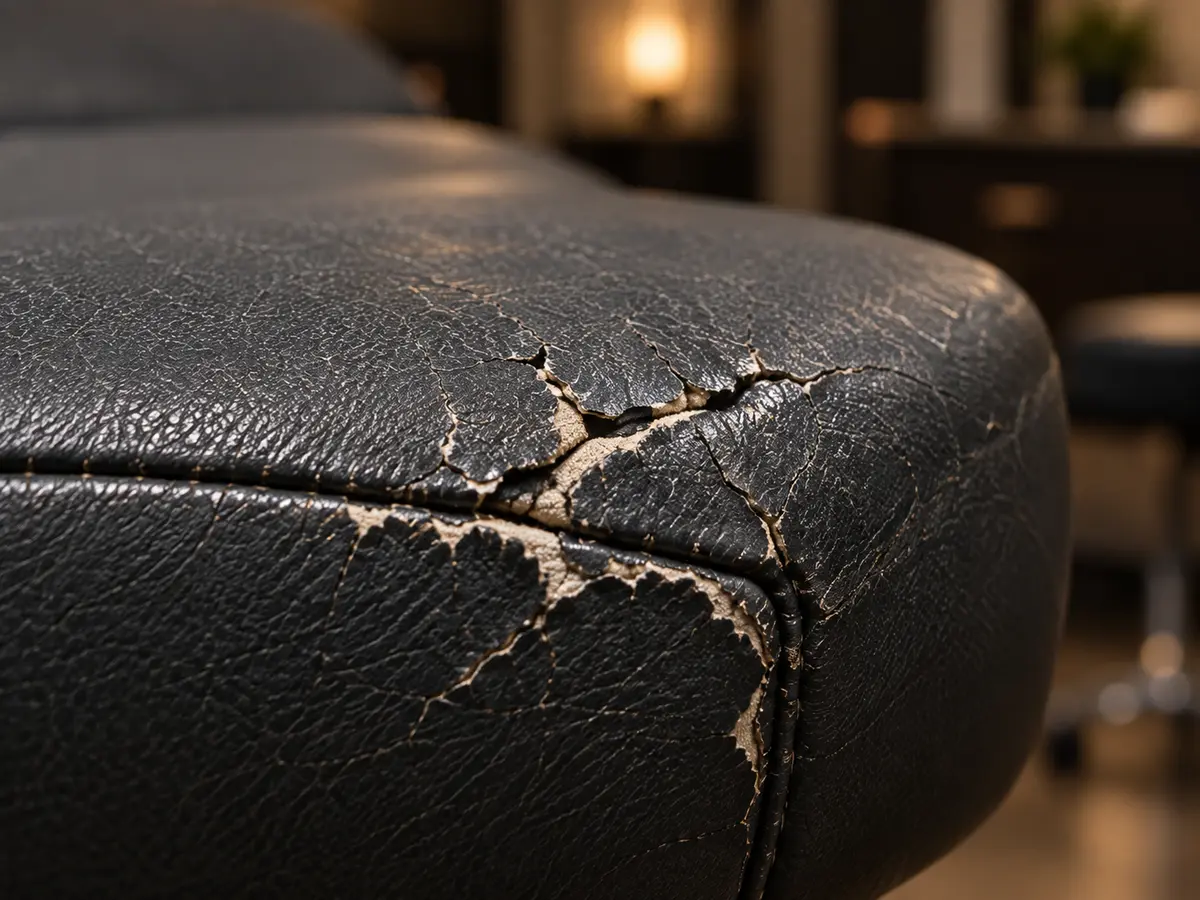
Oils and heat
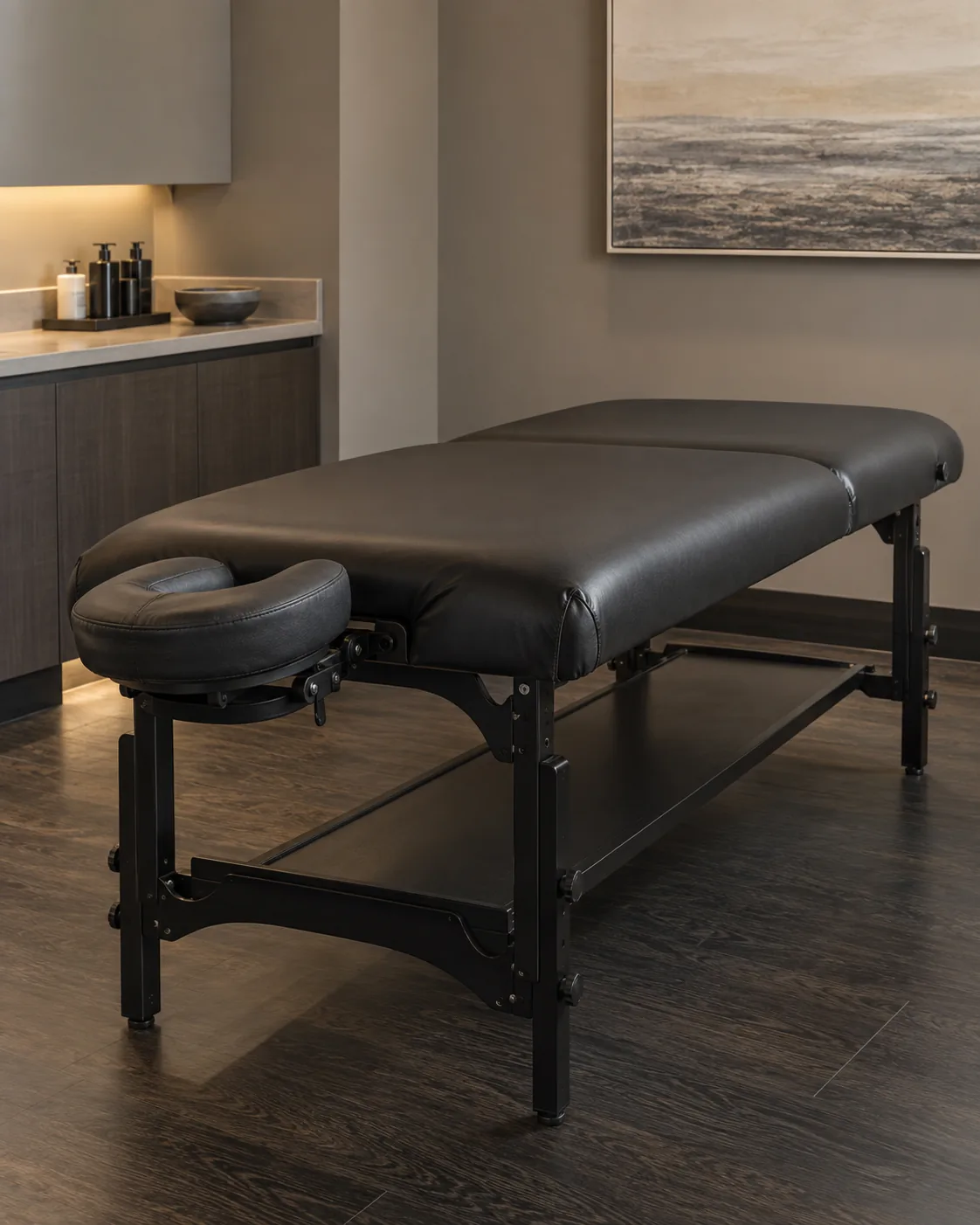
Massage oil softens the coating, hot cabinets finish it. Cracks run with the body line.
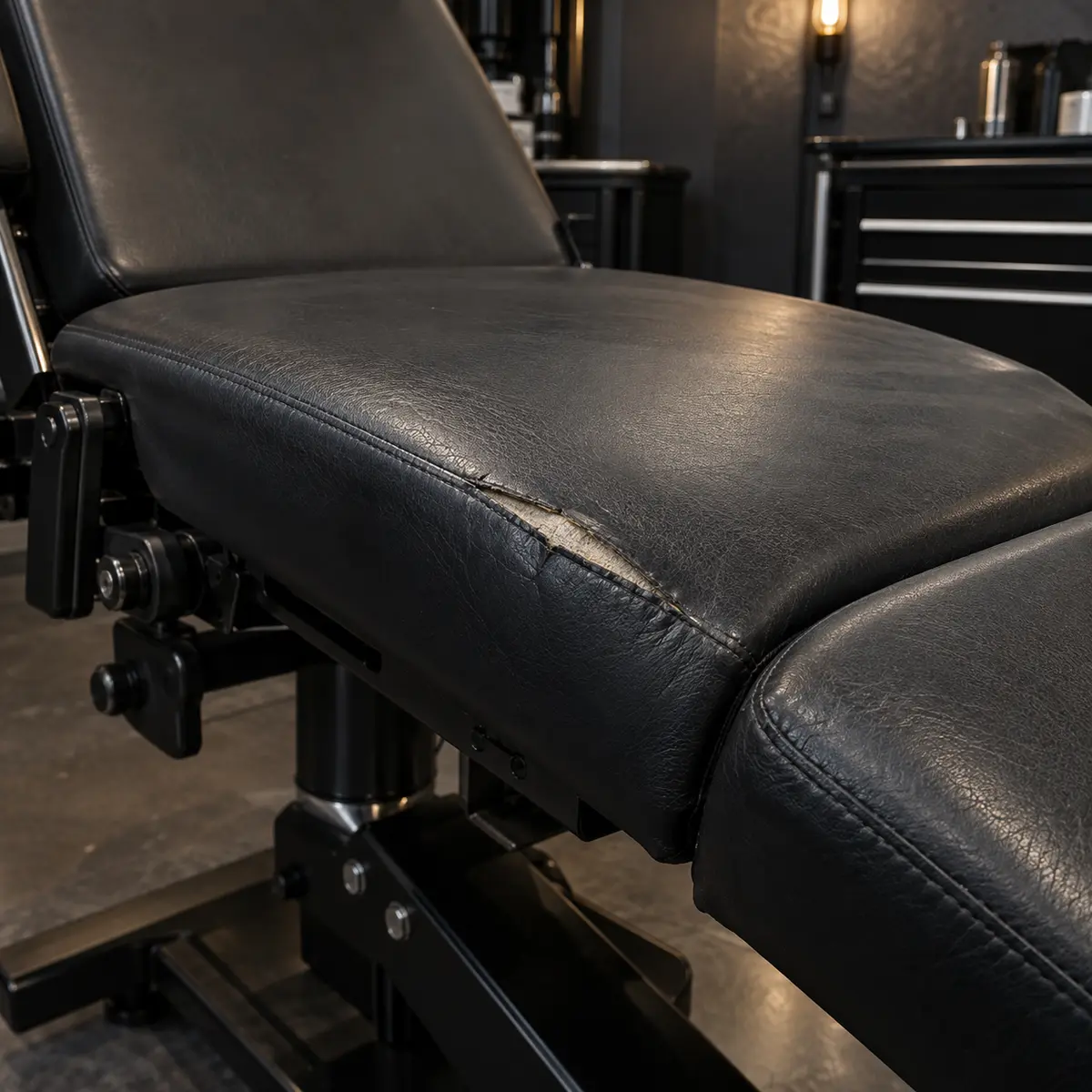
Hardest wiped of all
Barrier film and disinfectant after every session. Vinyl hardens, then splits.
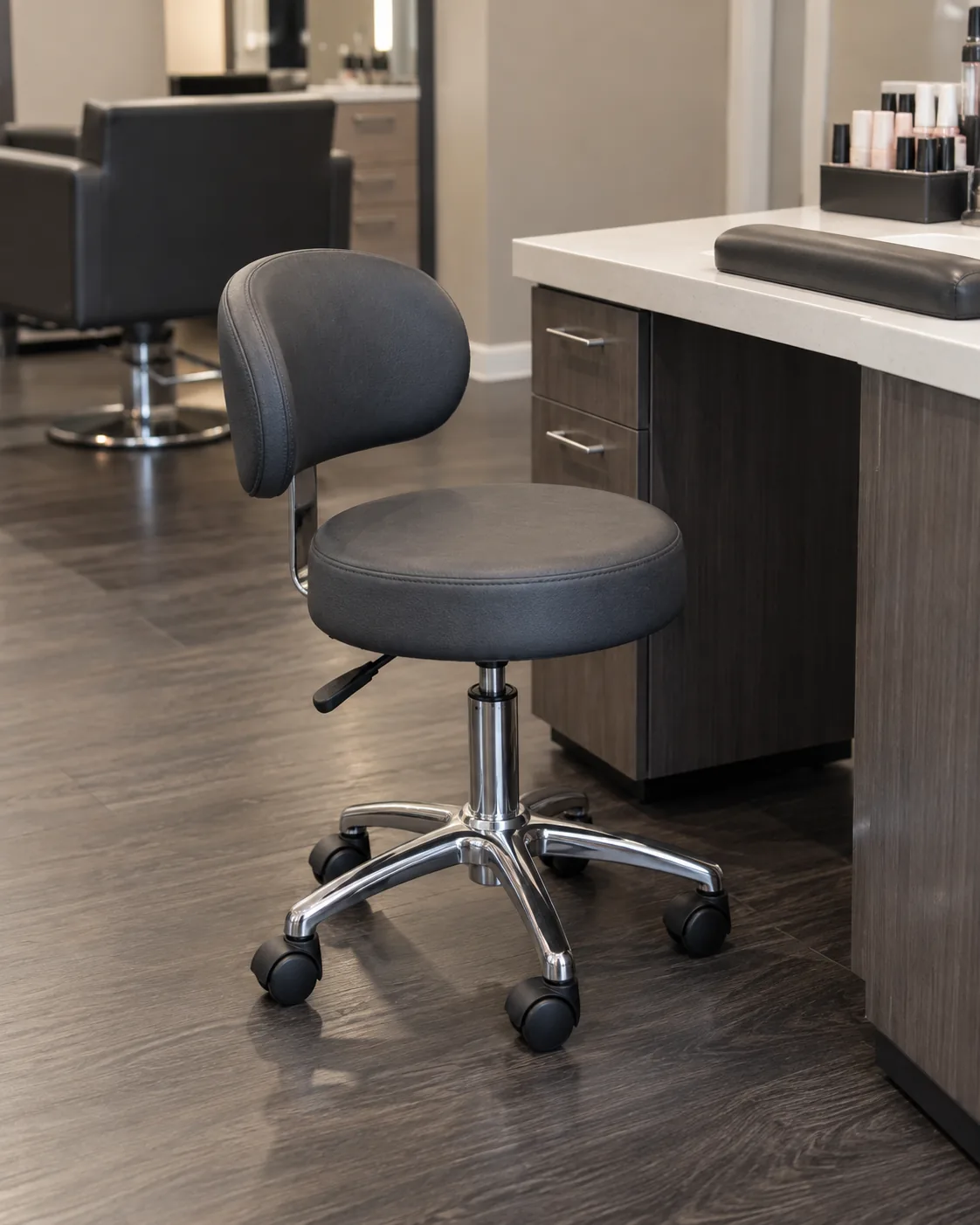
Cheap to recover
Flat pads on a gas lift. Quickest seats in the salon and the most often ignored.
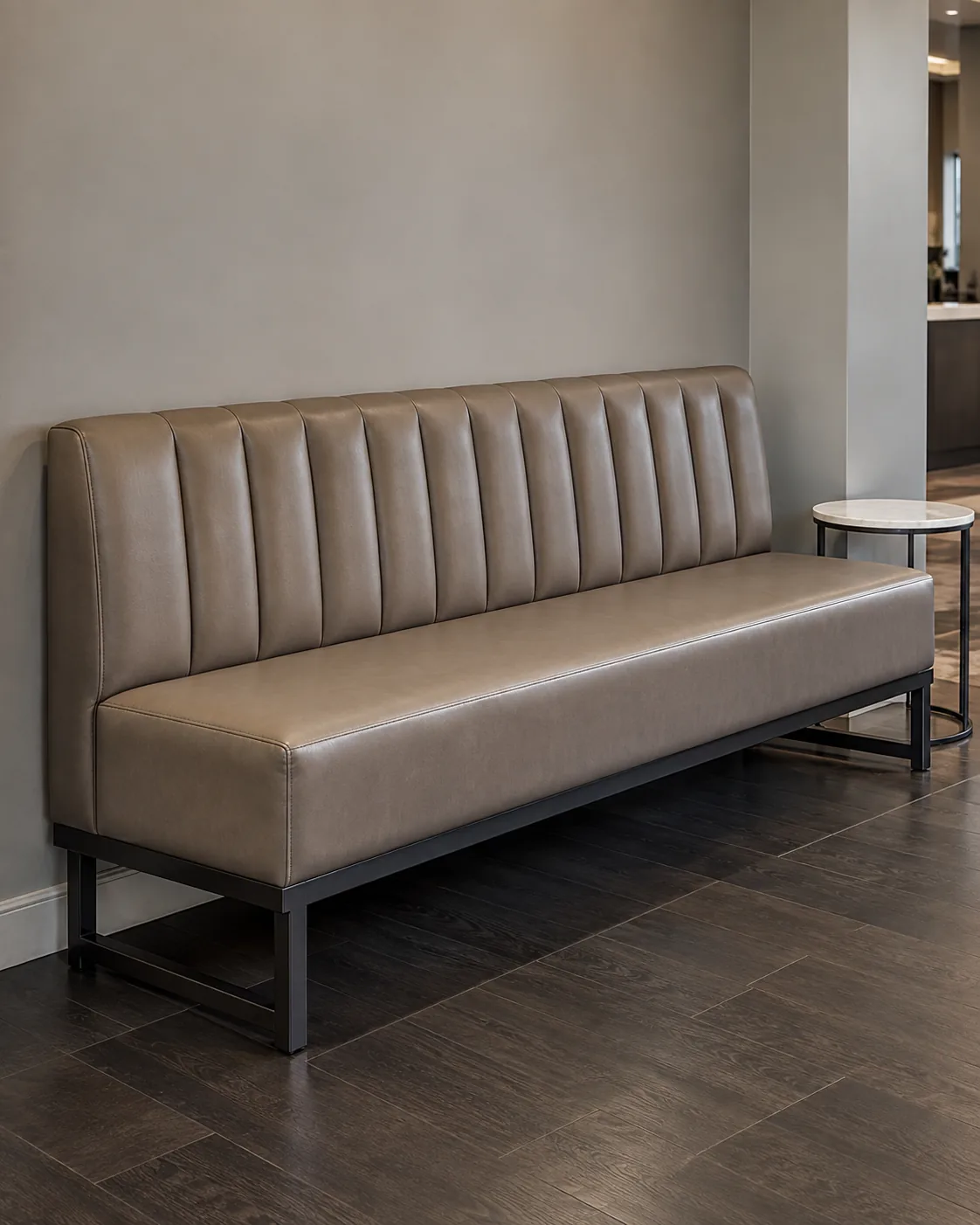
The first thing seen
Waiting benches and armchairs age in plain view of everyone who walks in.
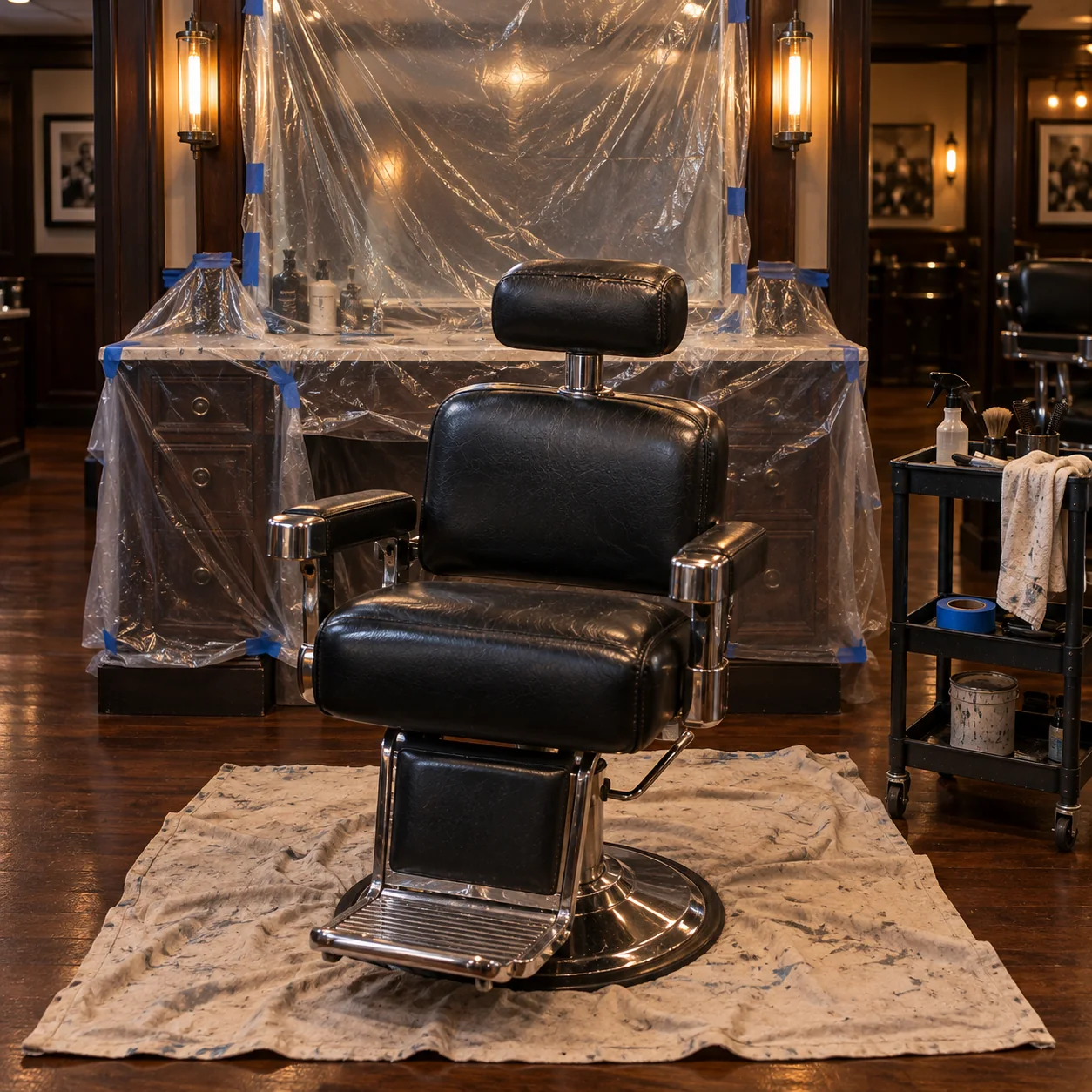
Masked off, done overnight
Stations are masked and sheeted so nothing reaches your mirrors, your floor or the next chair. Hydraulics and bases are untouched — the work is the upholstered parts only.
Six to eight styling chairs is one night. A full salon of chairs, backwash and reception runs two, done in sections so you never lose the whole floor.
Repair, recolour or recover
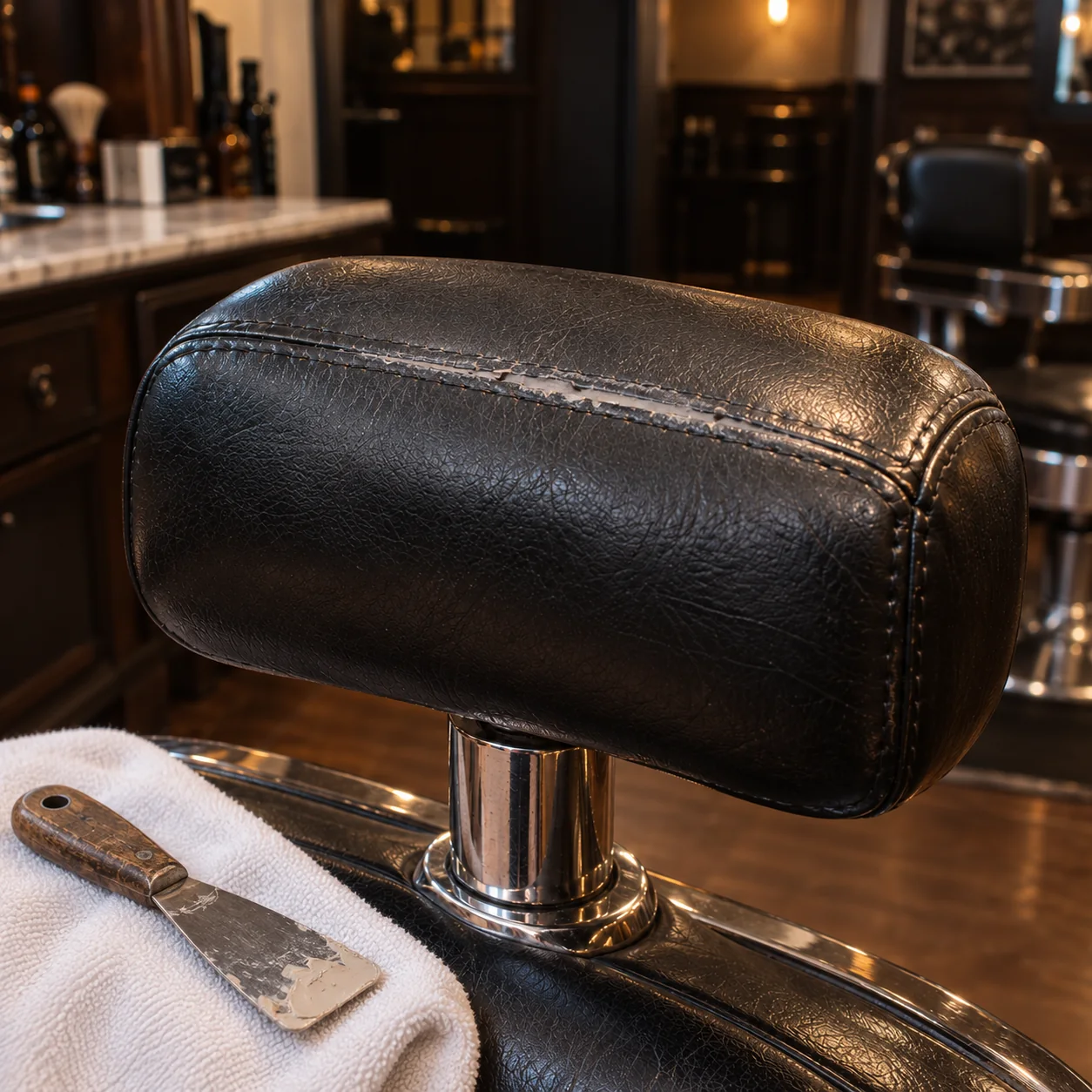
One split, one seam
A headrest seam or an arm pad. Local work, the chair stays as it is. Cheapest by far.
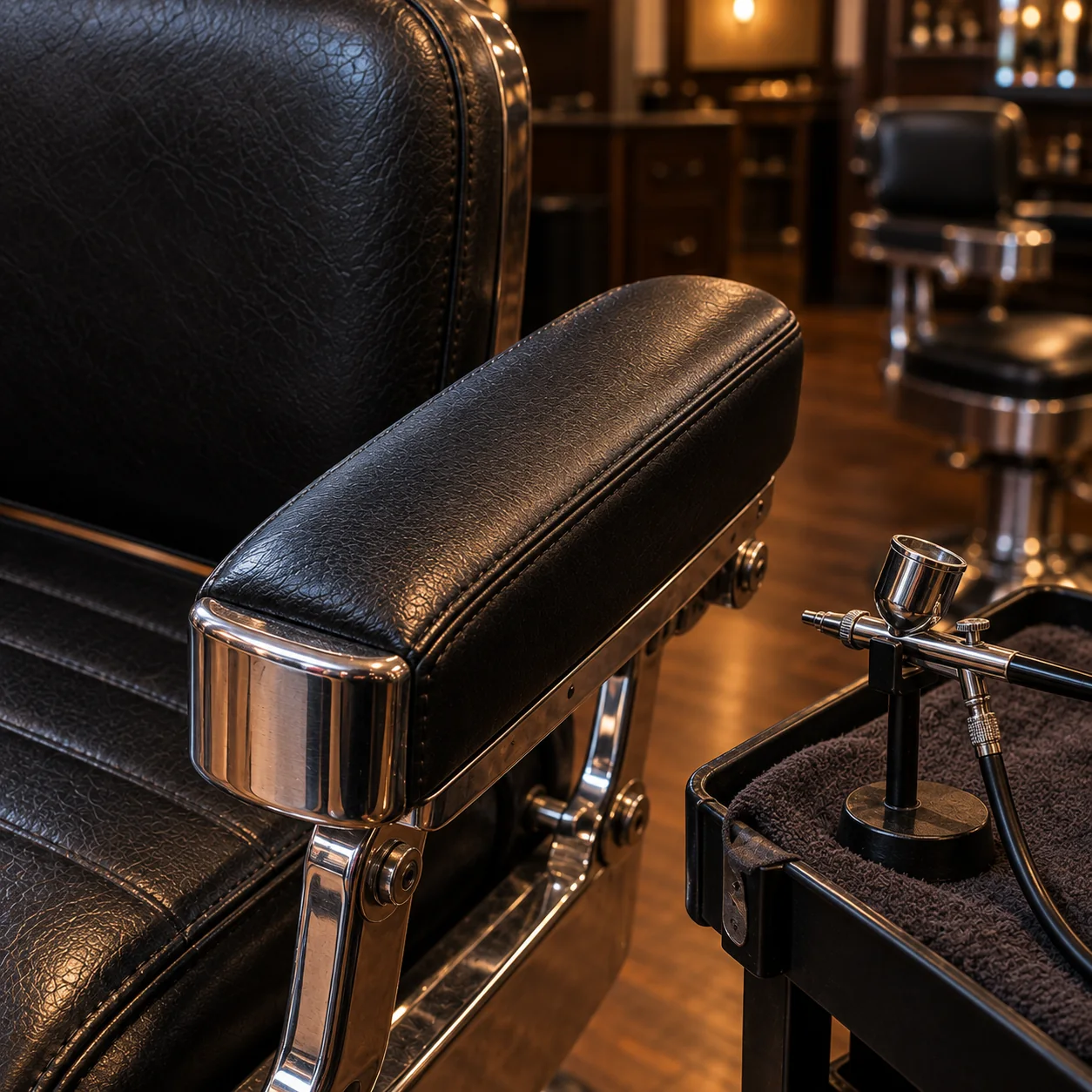
Colour gone, material sound
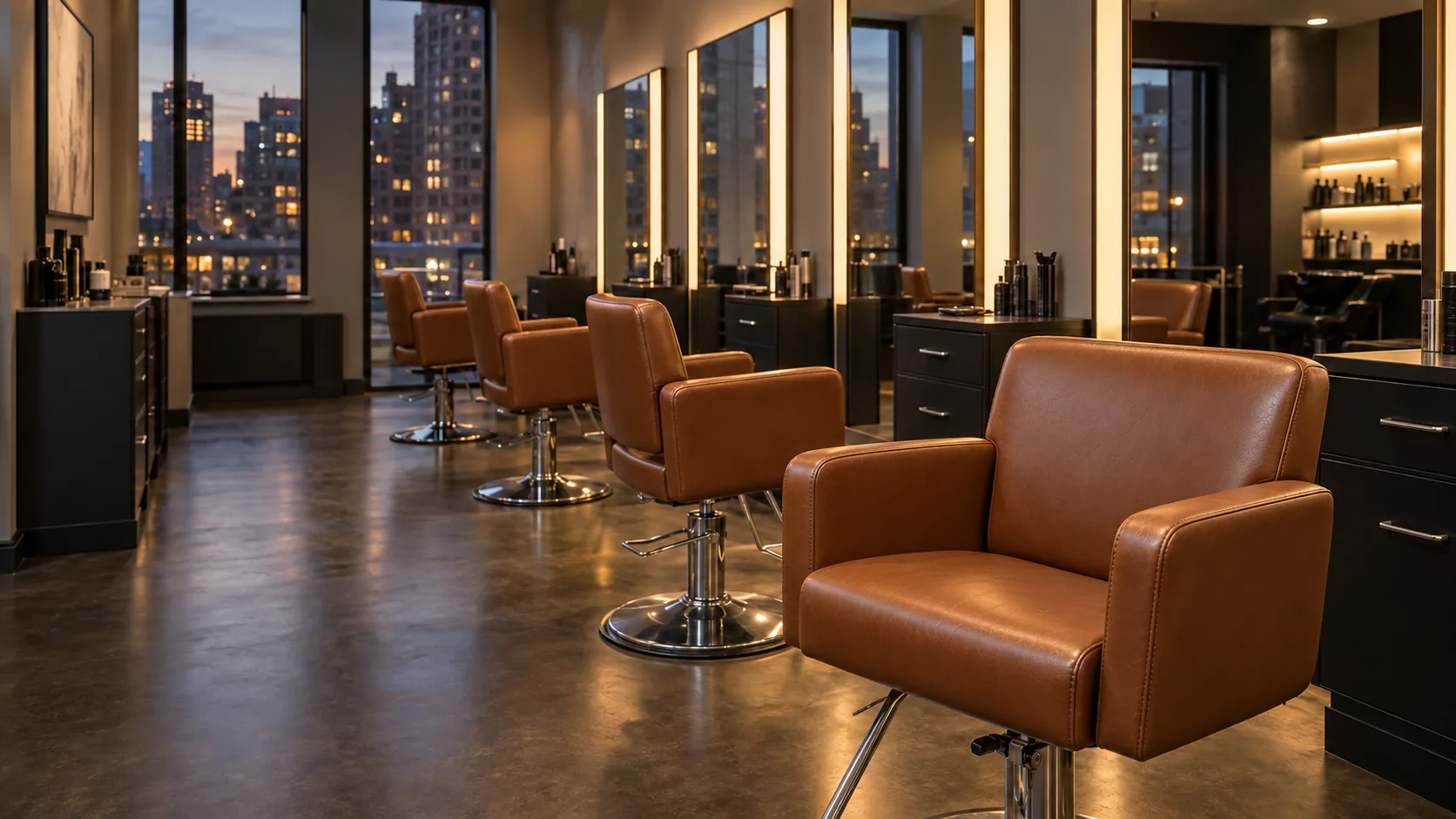
Stripped, recoloured and resealed. Right when vinyl is faded or stained but still flexible.
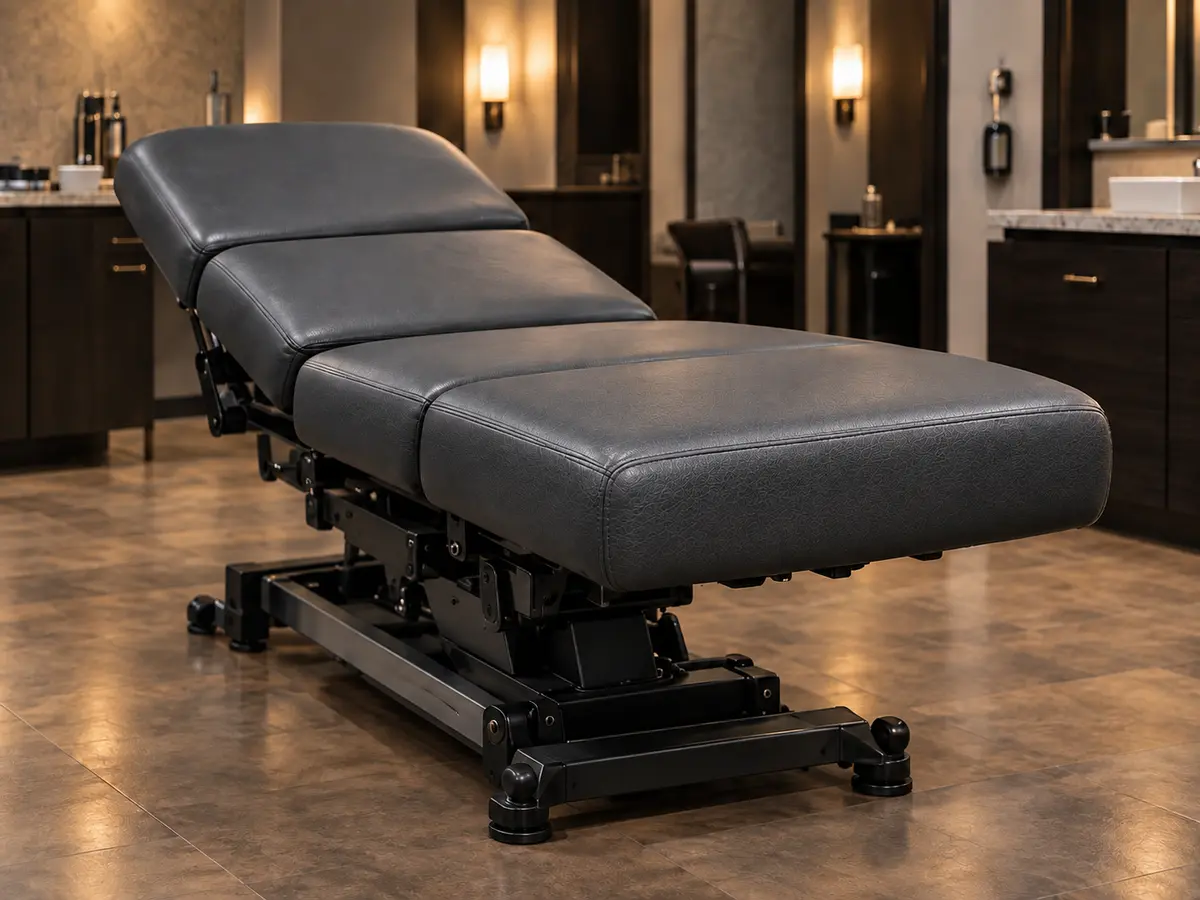
Material has hardened
New vinyl over rebuilt foam. The answer once it cracks again when you flex it.
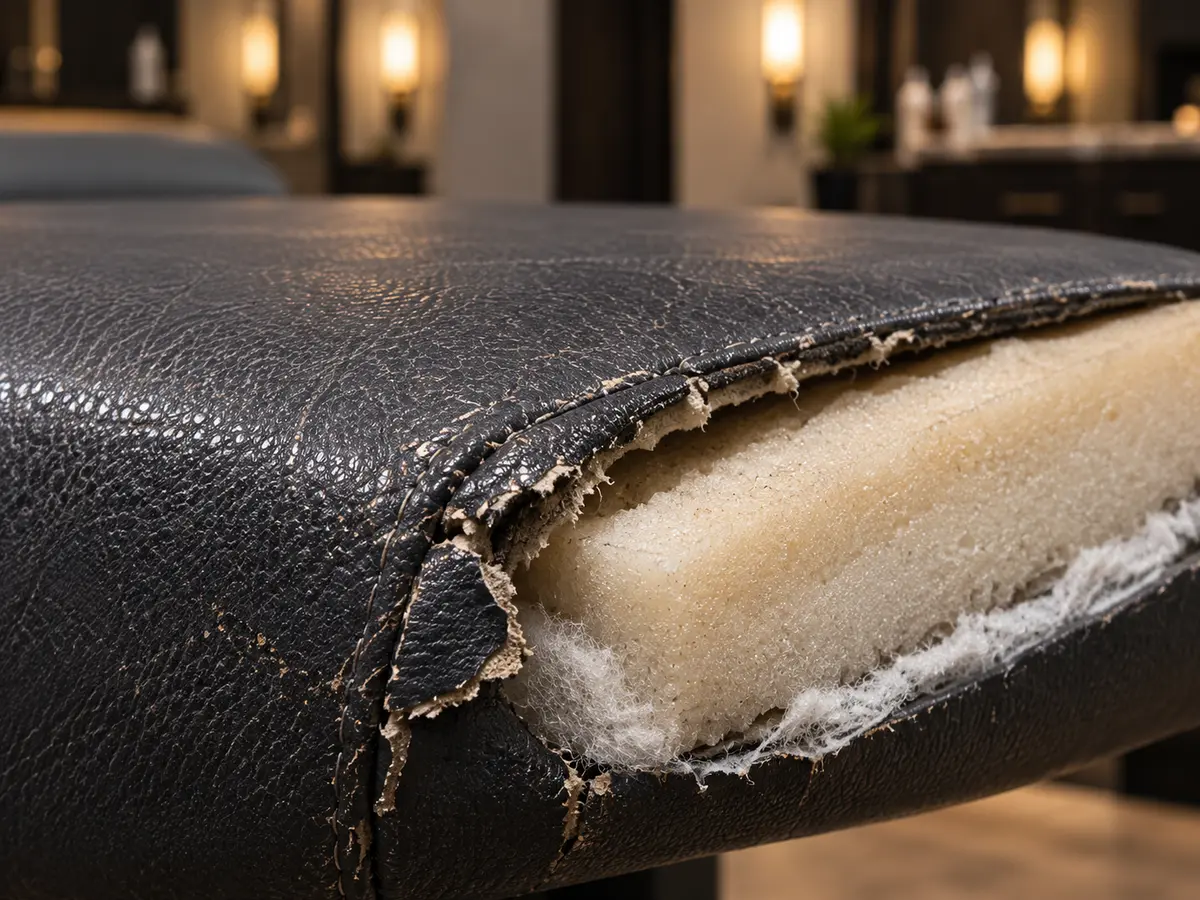
Where it is wet or crushed
Backwash and treatment tables soak. Wet foam under new vinyl fails in months.
Which one you need is usually obvious from a photograph — send one and we will say, including when the cheap answer is enough.
What survives a salon
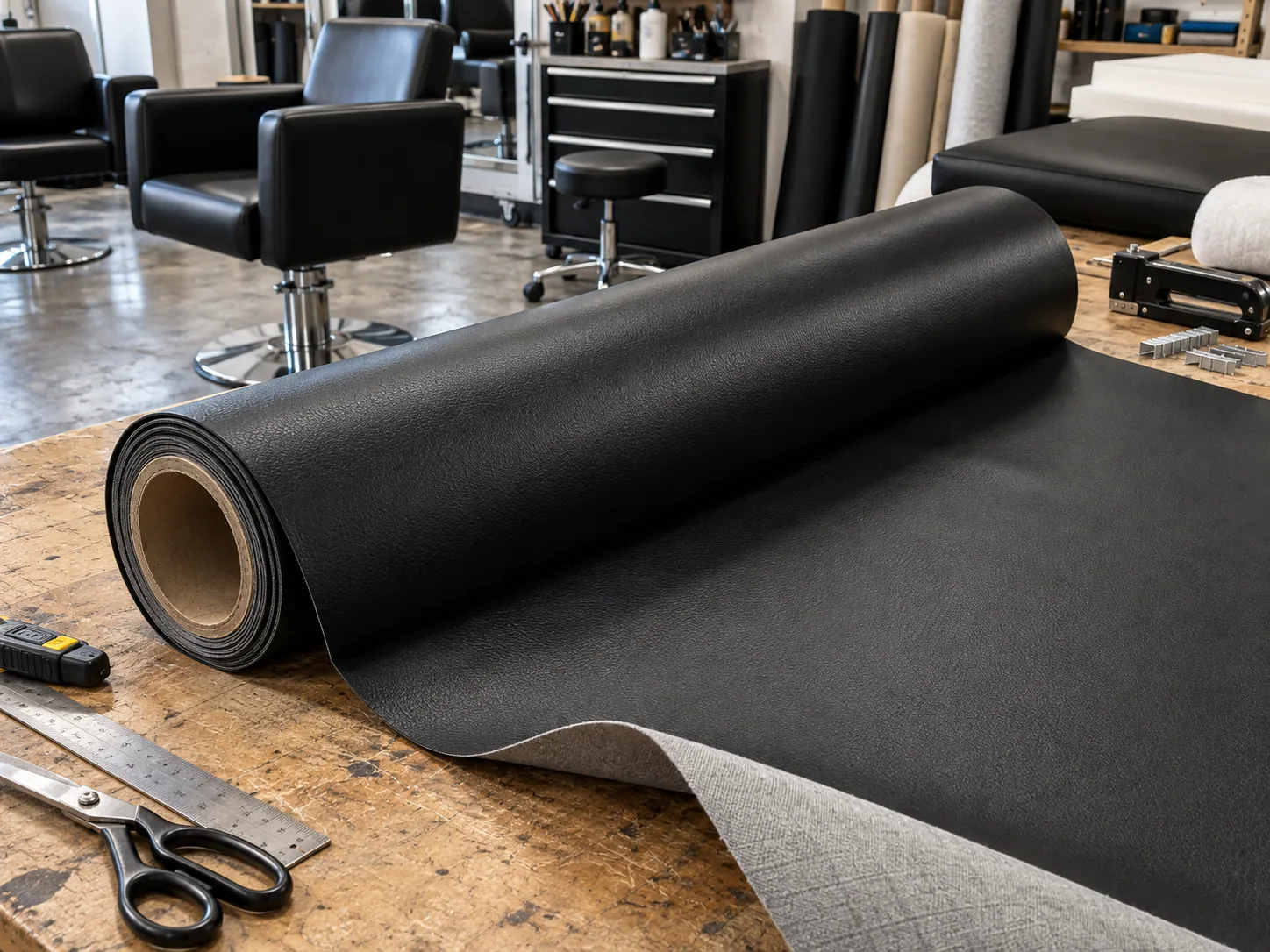
Salon vinyl has to take bleach dilution, peroxide, acetone and alcohol daily without going chalky. That is a narrower specification than ordinary commercial vinyl, and it is where most cheap recovers fail.
We specify for chemical resistance first and colour second, then match the colour to the room you already have — stations, backwash and reception reading as one set rather than three.
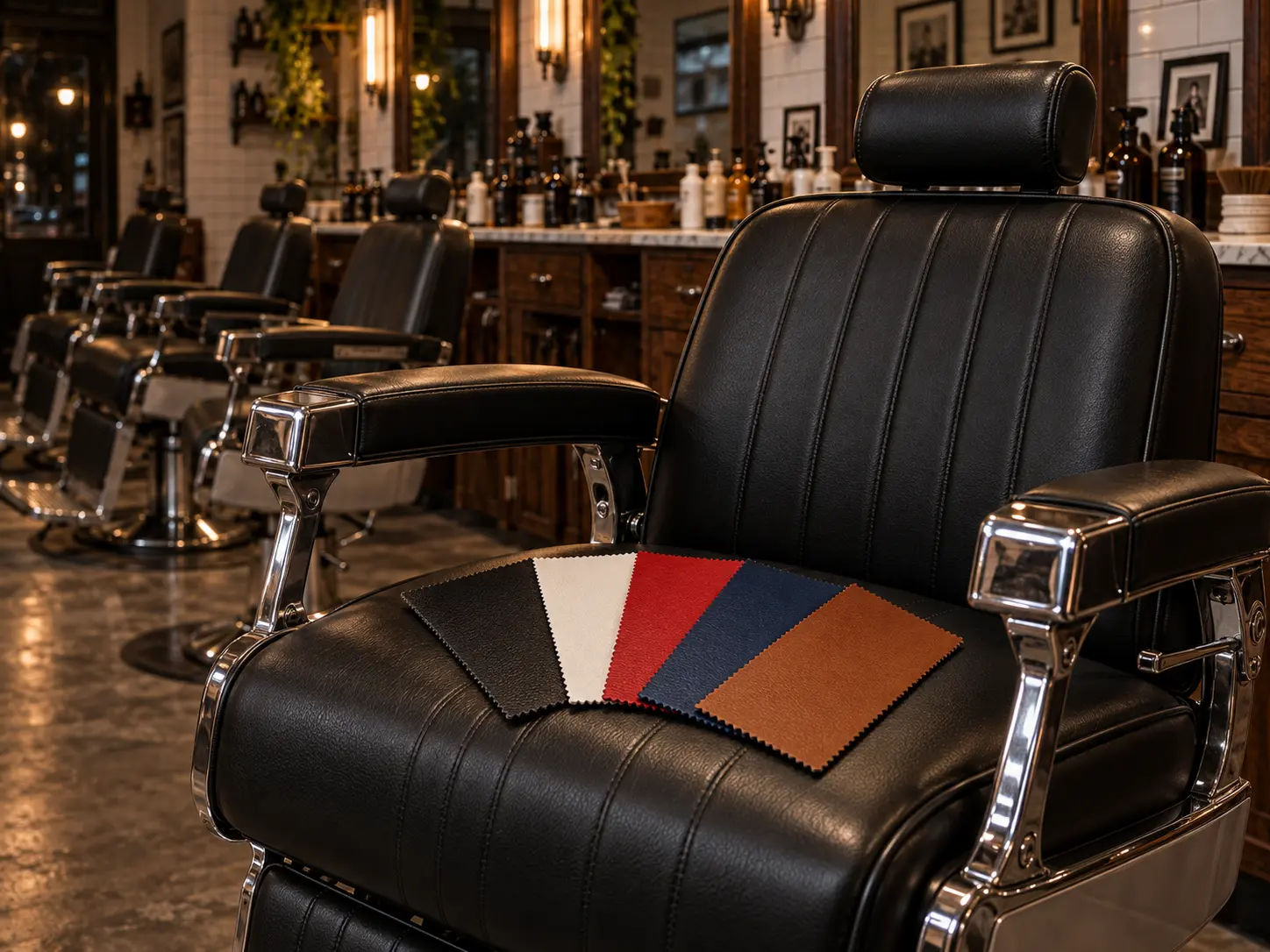
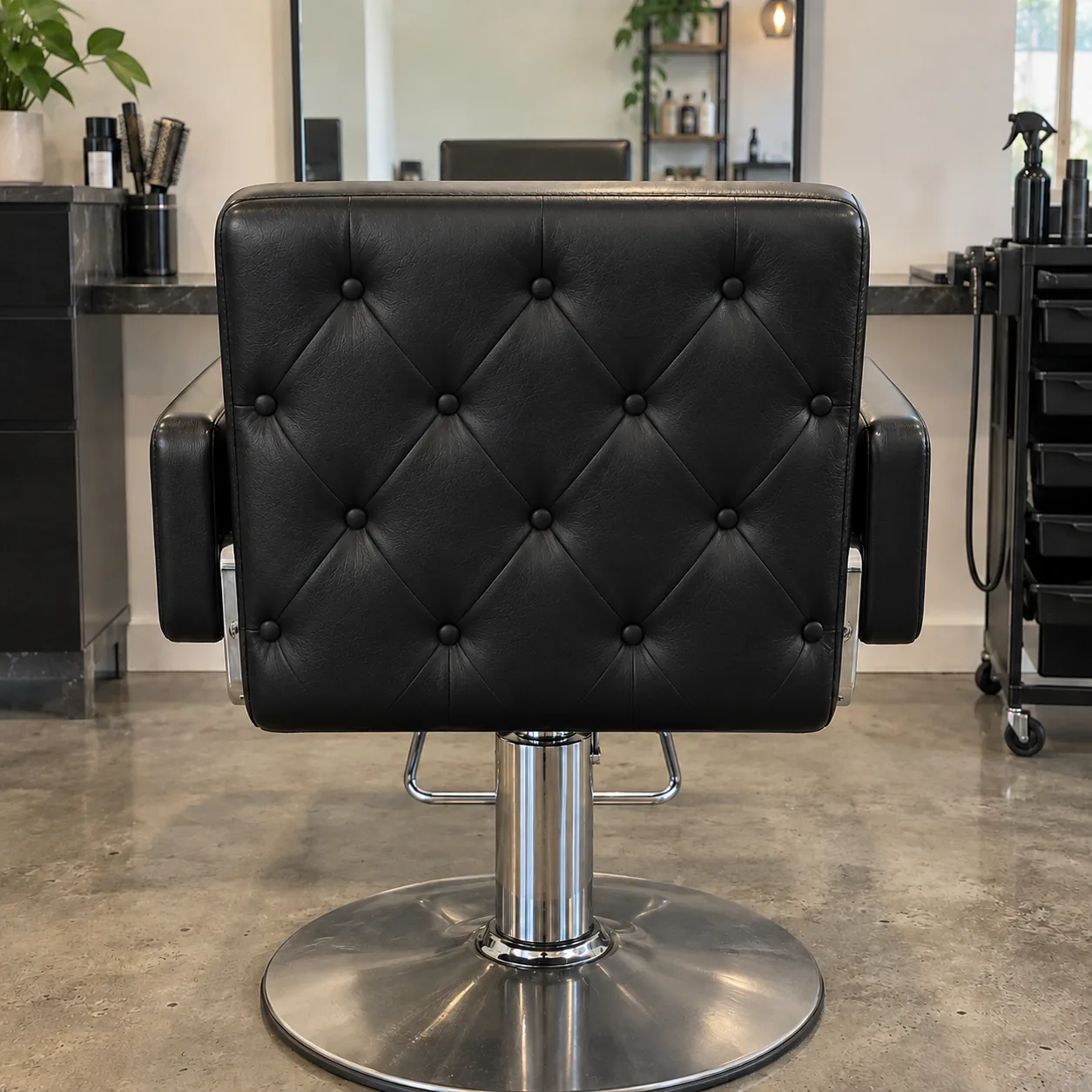
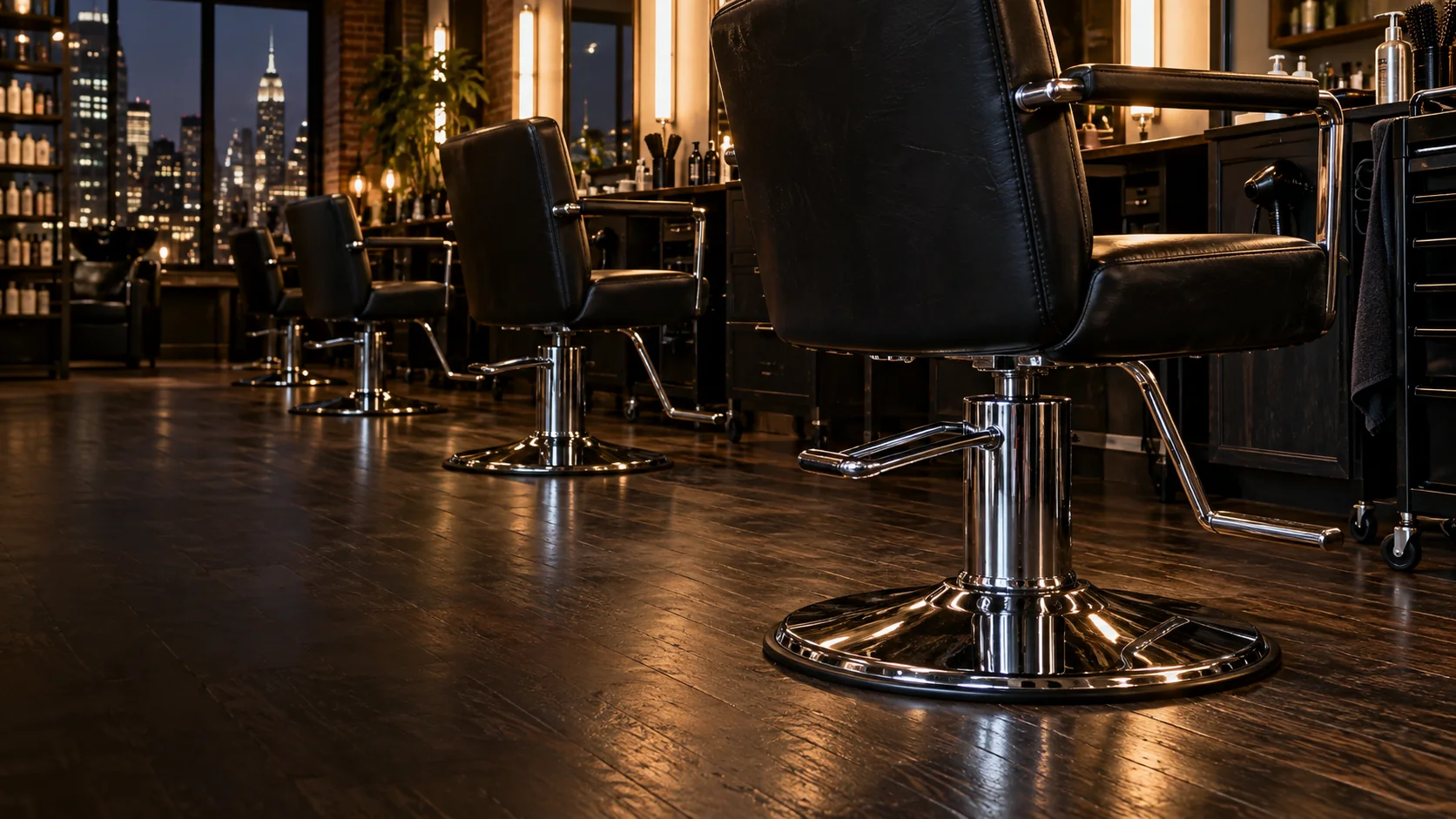
Same floor, next morning
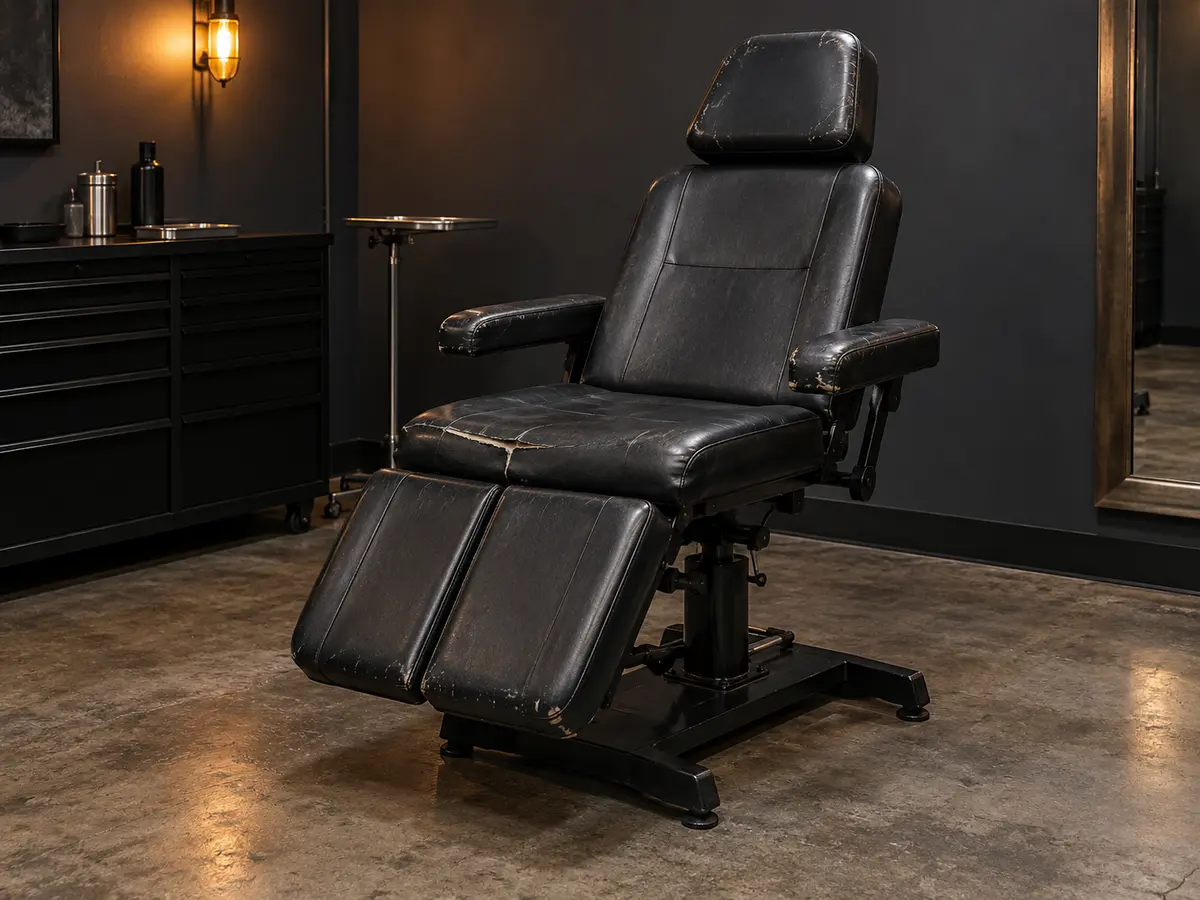
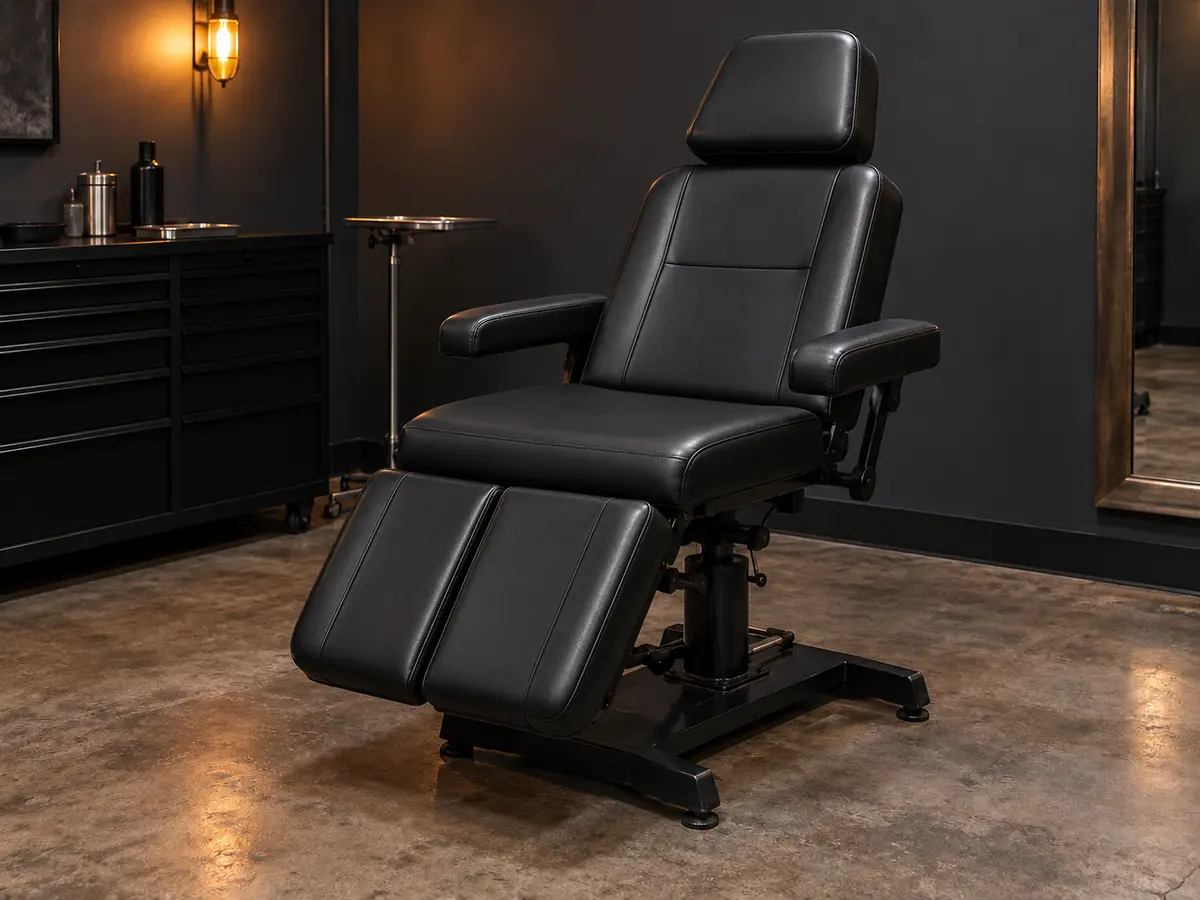
Across New Jersey, between appointments
Salons, barbershops, spas, nail bars, tattoo studios and medspas — from Hoboken and Montclair to Red Bank and the shore.
Before you book
Do the chairs leave the salon?
No. Upholstered parts are worked on the floor, masked off. Hydraulics and bases are not touched.
Can you work around our appointments?
Yes — after close, before opening, or a section of the floor at a time on a quiet day.
How many chairs in one night?
Six to eight styling chairs. Backwash units and treatment tables are slower.
Will the new vinyl survive colour and bleach?
Only if it is specified for it. We use chemical-resistant salon grade, not ordinary commercial vinyl.
Can you match our existing chairs?
Yes, sampled against the room so stations, backwash and reception read as one set.
Is repairing cheaper than replacing a chair?
By a wide margin. The base, the hydraulics and the frame are the expensive parts and they stay.
What about the foam?
Replaced where it is wet or crushed — common on backwash and treatment tables. New vinyl over wet foam fails in months.
We will price the floor
Stations, backwash, treatment rooms and reception priced separately, so you can stage it if you want to.
Or email office@leatherrestorepro.com