

Leather Repair Help Center
Everything people ask before they book leather repair, answered in one place. What can be fixed, what it costs, what we need from you, and what happens when the van pulls up.
Start with the question you actually have
Most people arrive at this leather repair help center with one of three marks in front of them. Find yours and go straight to it.
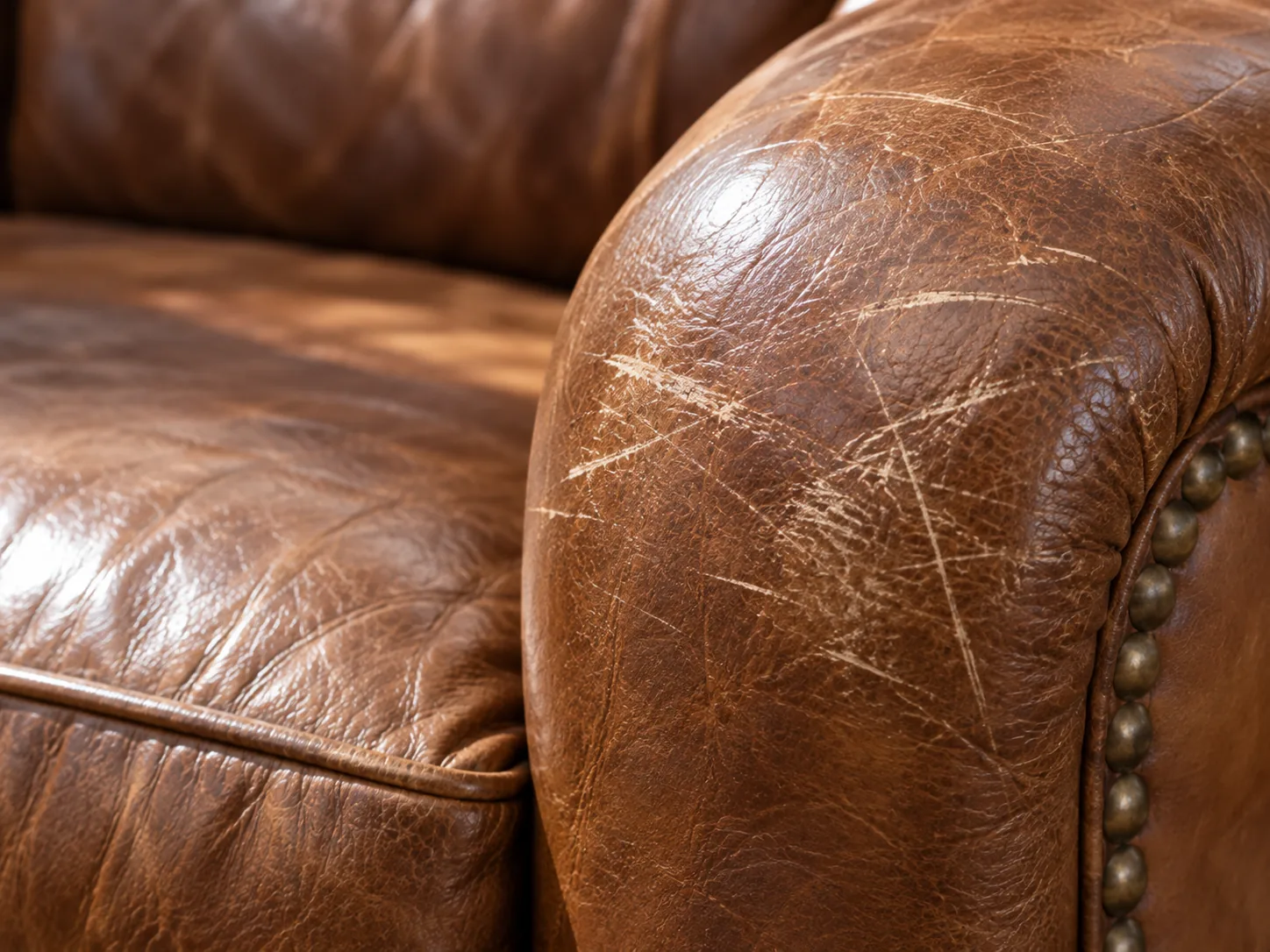
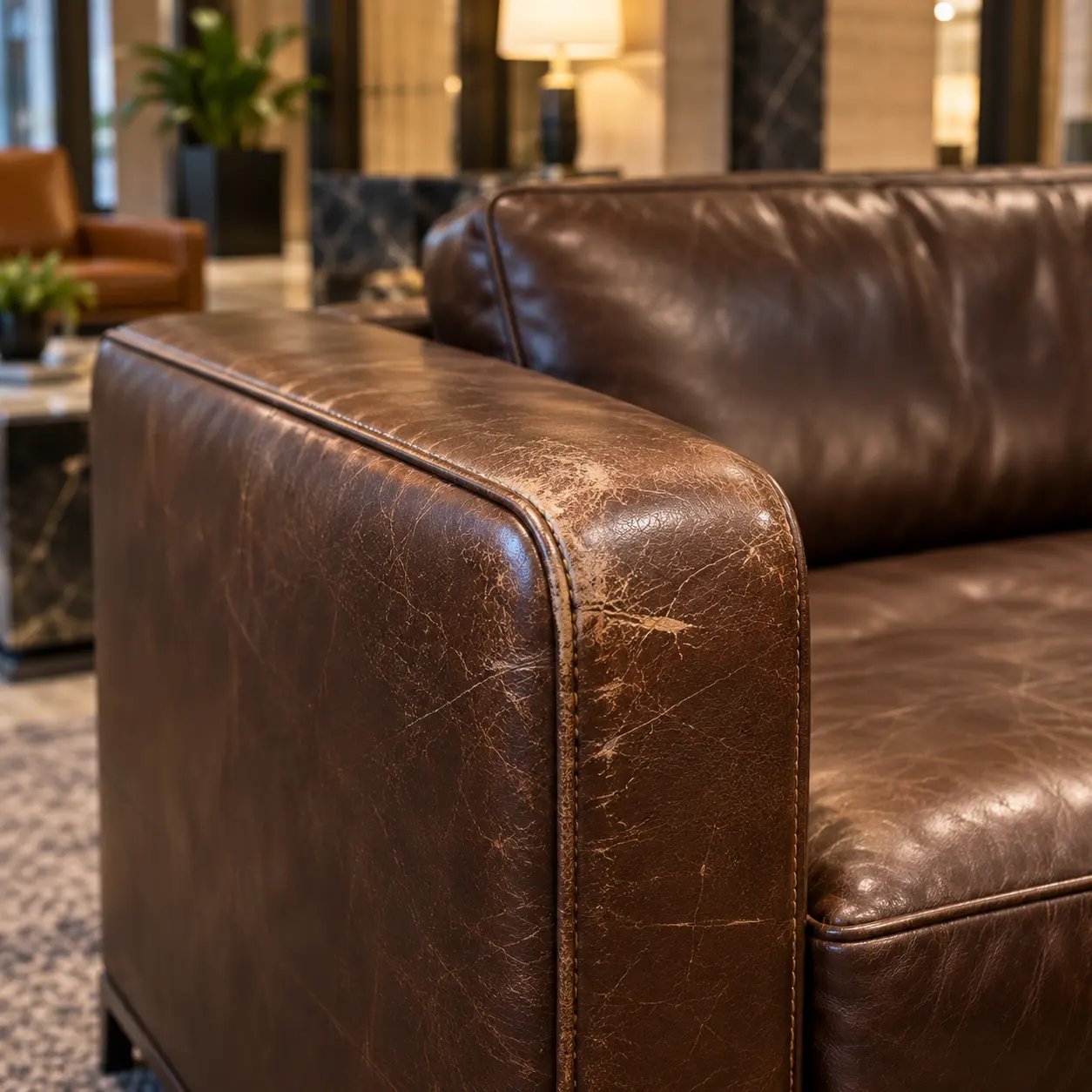
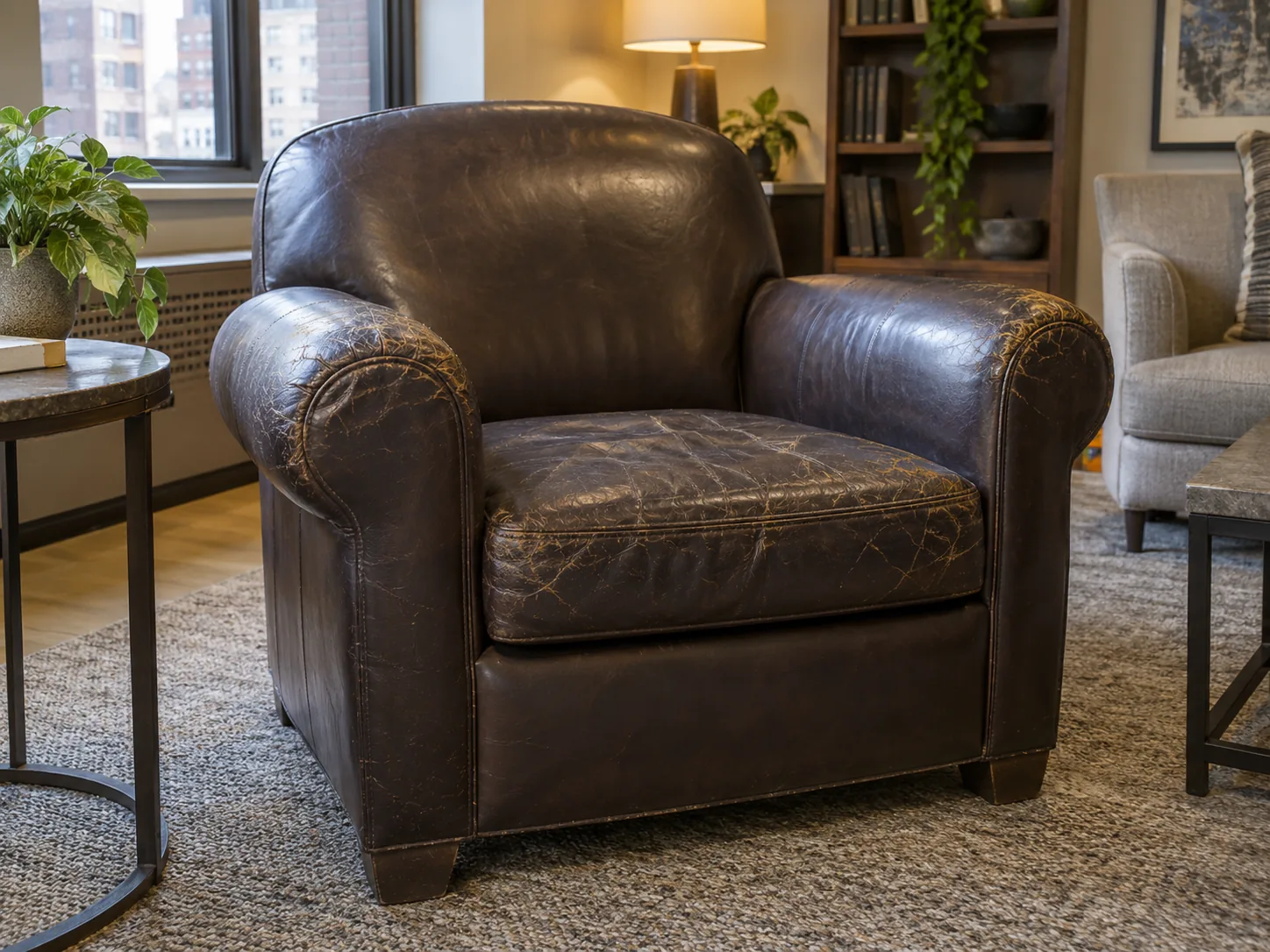
Not one of those? The full list of what we take on is on the services page.
What to send for an estimate
Nearly every leather repair in New Jersey is quoted from photographs. We do not charge to look, and in most cases we do not need to visit before we can give you a number and a date.
Four pictures is usually enough. Daylight, no flash, taken square on rather than at an angle.
Tell us the date it happened and what caused it. Those two facts change the method more than the size of the mark does.
The whole piece
Standing back far enough to see the entire sofa or chair, so we can read the colour and the sheen.
The mark, close up
Close enough that the edge of it is sharp. The edge tells us whether it is surface or structural.
Something for scale
A coin, a key, a hand at the edge of the frame. Photographs flatten size.
The label, if there is one
Under a cushion or behind a skirt. It often names the hide and saves us a guess.
Repair, restore, or reupholster
These three words get used as if they mean the same thing. They do not, and on a leather sofa the difference is usually a factor of five in price.
One spot, same day
A tear, a hole, a burn, a split seam. Leather repair at this level works on the damage itself and blends the finish around it, and the rest of the piece is untouched. Most crack repair work sits here.
The whole surface
Cleaning, re-colouring and sealing an entire leather panel or an entire piece, so it reads as one colour again. This is what fading, heavy wear and old repairs need.
New cover entirely
The old cover comes off and new leather or fabric goes on. Right when the frame is sound but the cover is finished, or when you simply want a different material.
If you are not sure which one you are looking at, send the photographs — text or email them here. Telling you that a repair will do is cheaper for you and faster for us.
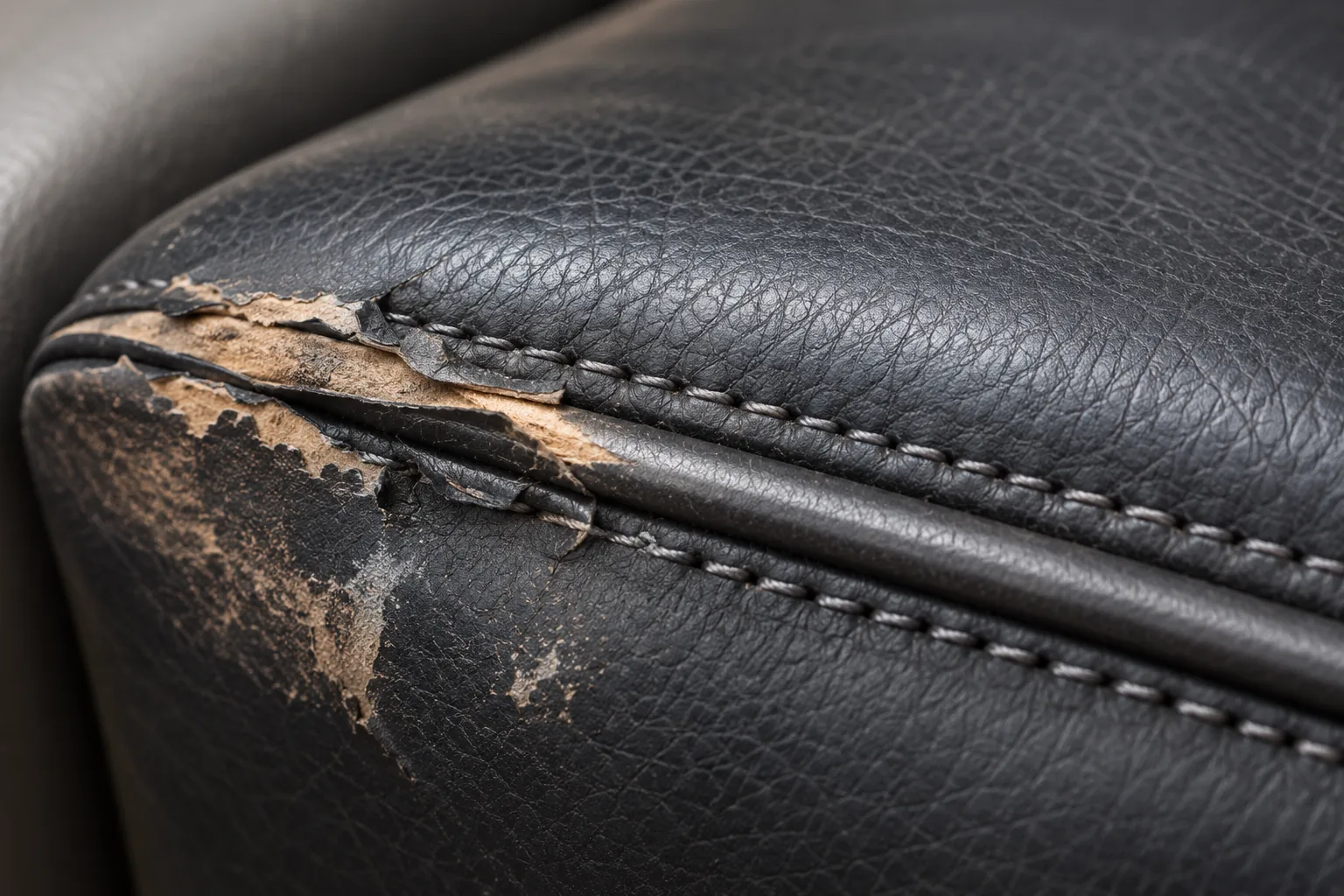
Can my furniture be repaired?
Usually yes. Finish-level leather damage — scratches, scuffs, colour loss, surface cracking, most stains — comes back without the piece leaving your house.
What does not come back is hide that has lost its structure. If the leather tears when you press it with a thumb, or if a bonded cover is lifting away in sheets, no amount of colour will hold it. In that case the panel is replaced or the piece is recovered, and we will say so rather than sell you a repair that fails in a year.
The one thing that genuinely changes the answer is how long it has been there. A mark treated in week one and the same mark in month six are different jobs at different prices.
The material decides the method
The same scratch is four different leather repair jobs depending on the hide underneath it. This is the single most useful thing to work out before you call.
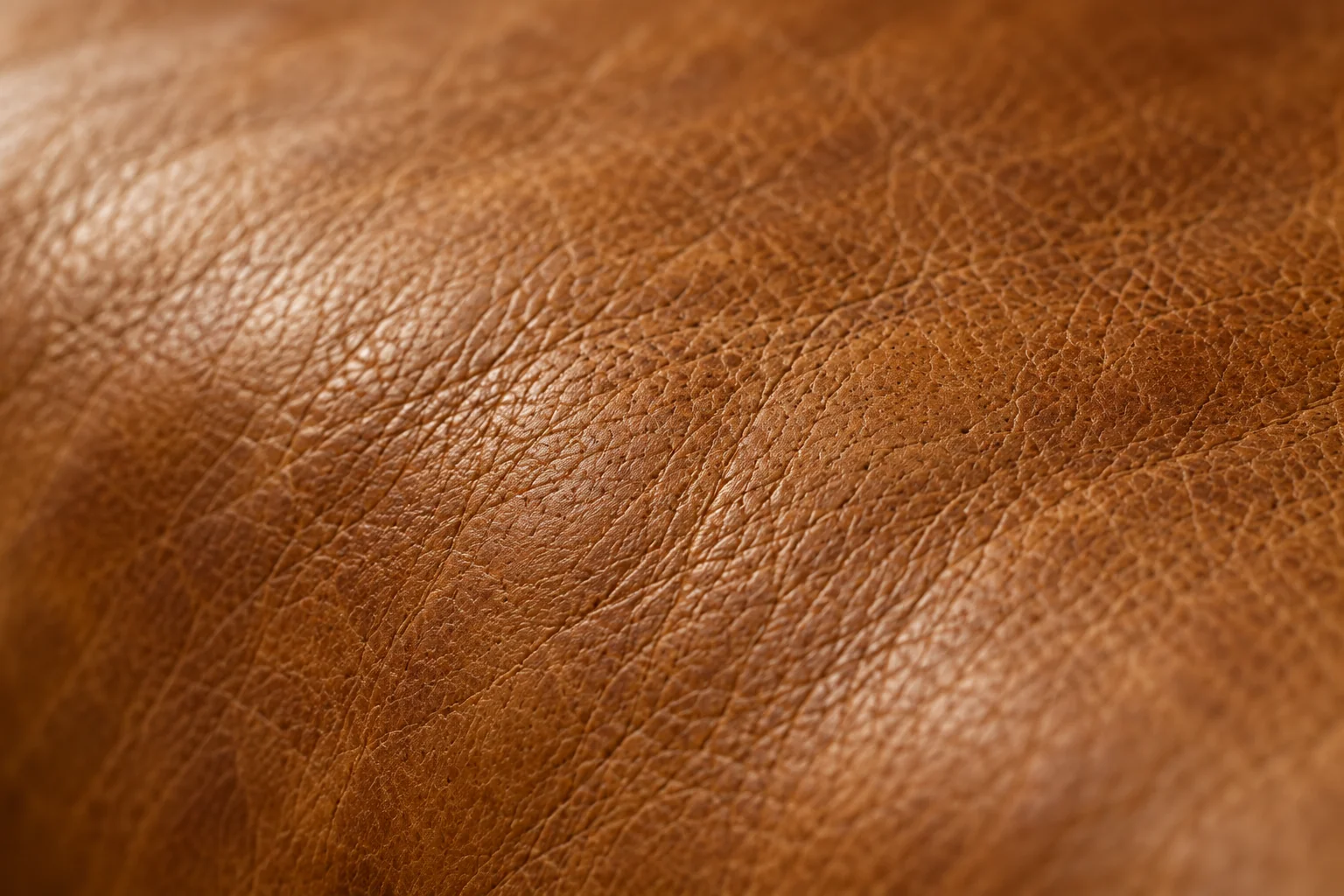
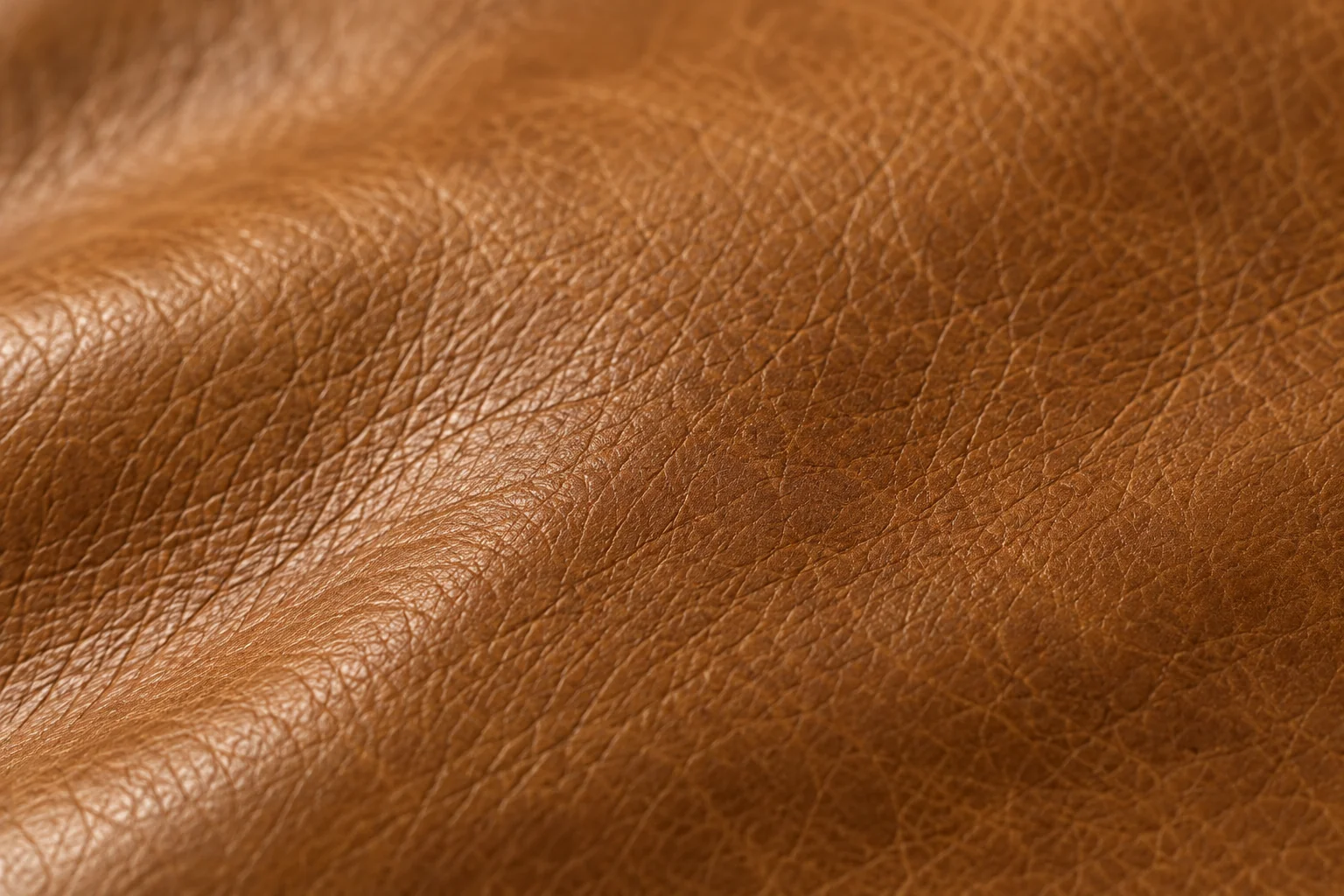
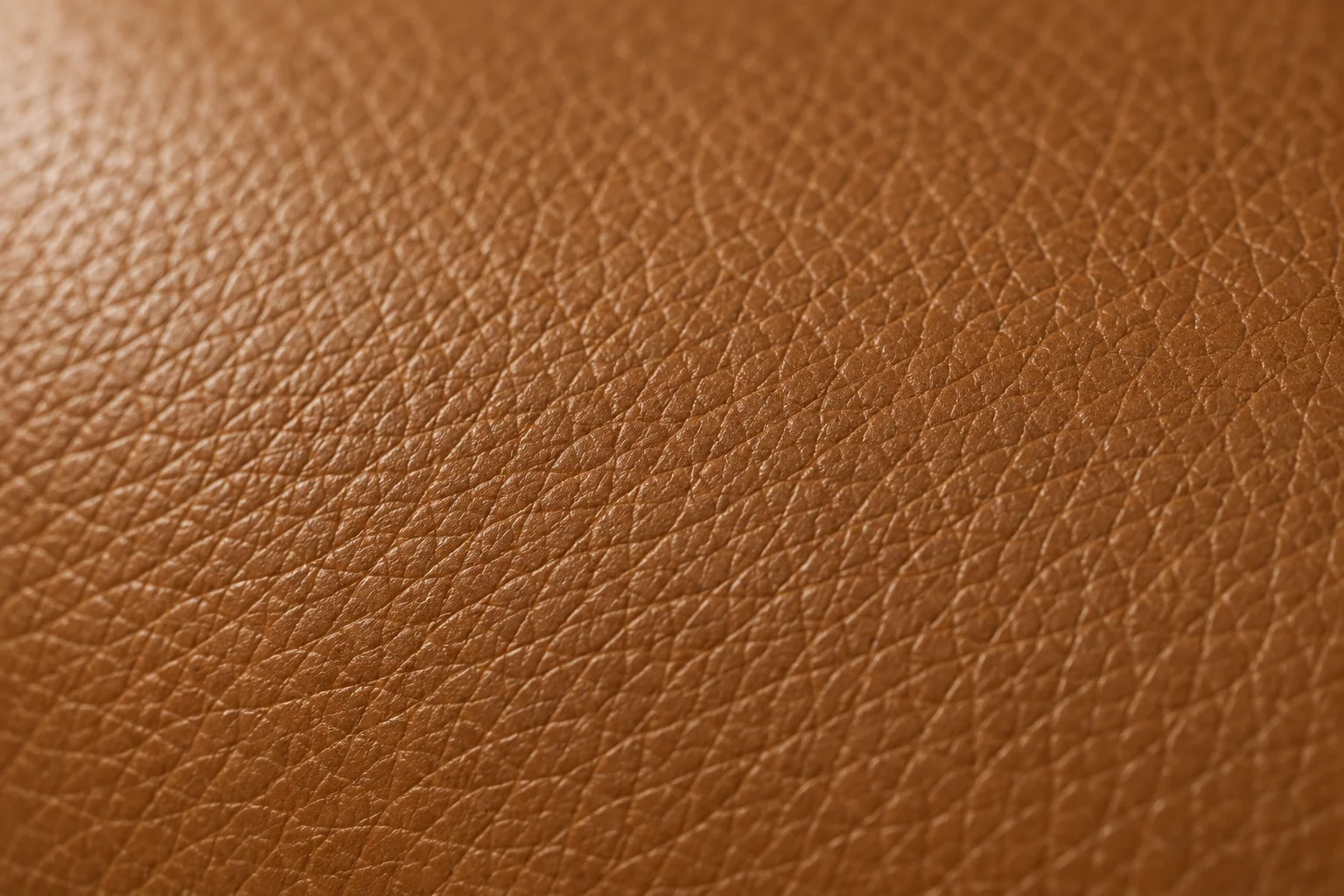
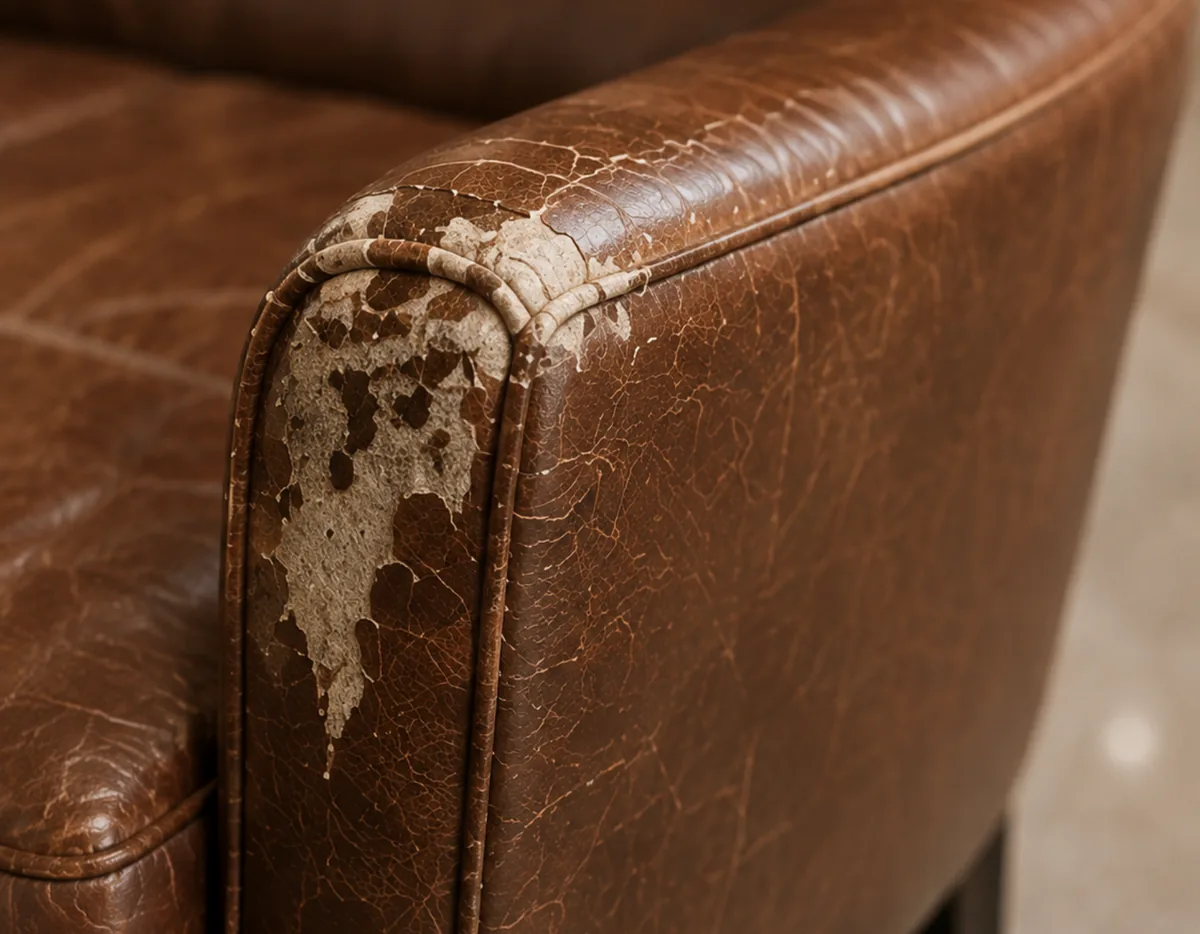
Dyed through, no pigment on top. It feels warm and shows every mark, and it drinks anything you spill. Beautiful, and the least forgiving to repair — colour has to be built in layers rather than painted on.
A light protective coat over the dye. The usual choice on good modern sofas. Takes repair well and holds colour.
A proper coloured top coat. The most common hide in family rooms, the most durable, and the most straightforward to repair invisibly.
Leather fibre or plastic on a fabric backing. It does not crack, it delaminates — the surface peels away in sheets. We can slow it down and tidy it, but it cannot be restored to new, and we will tell you that up front.
A quick test: a drop of water on an inconspicuous spot. Soaks in and darkens within seconds, it is aniline. Beads and sits, it is pigmented.
What happens when we arrive
Most New Jersey leather repair is done in the room where the furniture already stands. A typical visit runs two to four hours and the piece is usable the same evening.
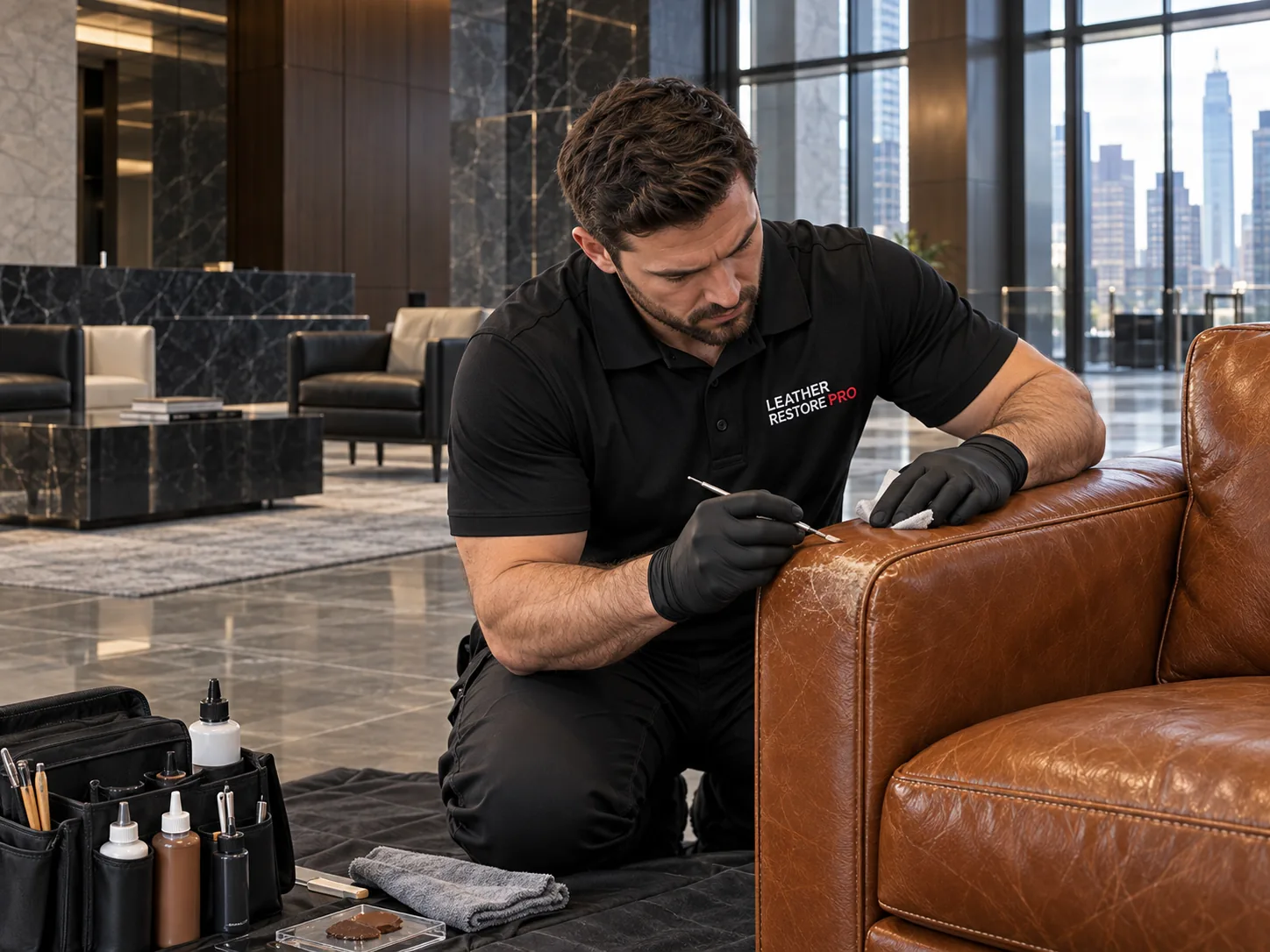
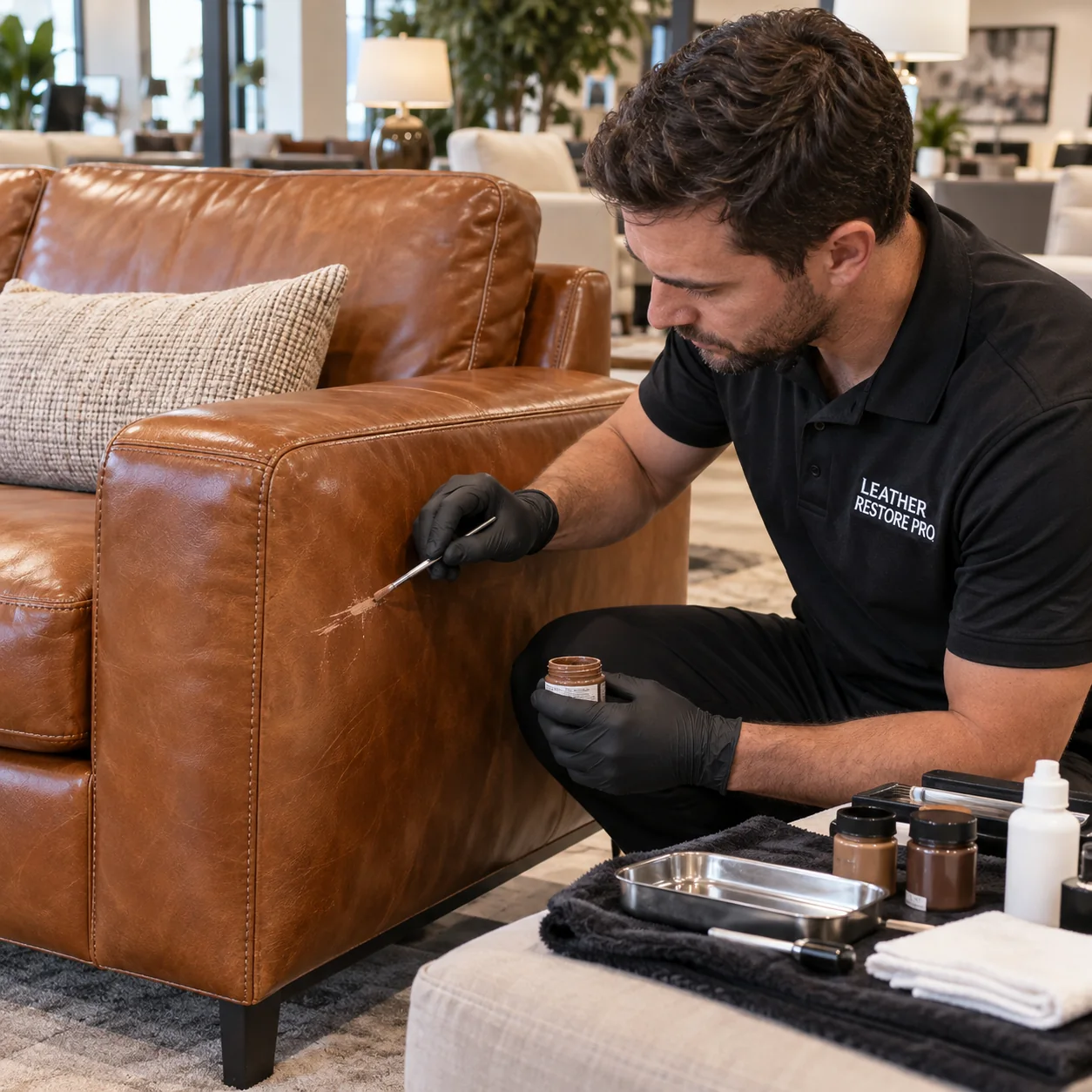
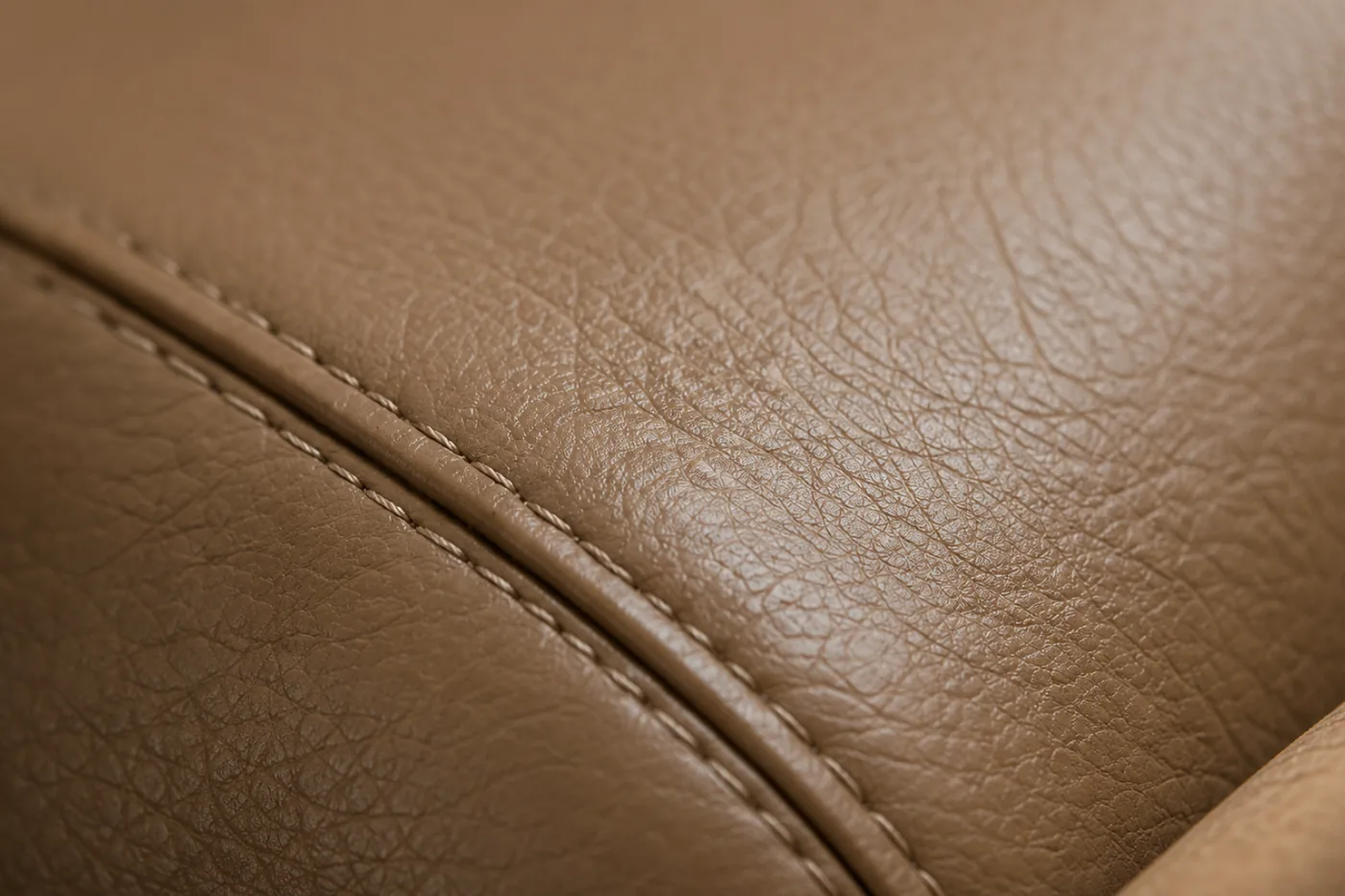
Everything is tested on a hidden panel first — the return at the back of a cushion, or the underside of a skirt. That test tells us whether the finish will move before we ask it to.
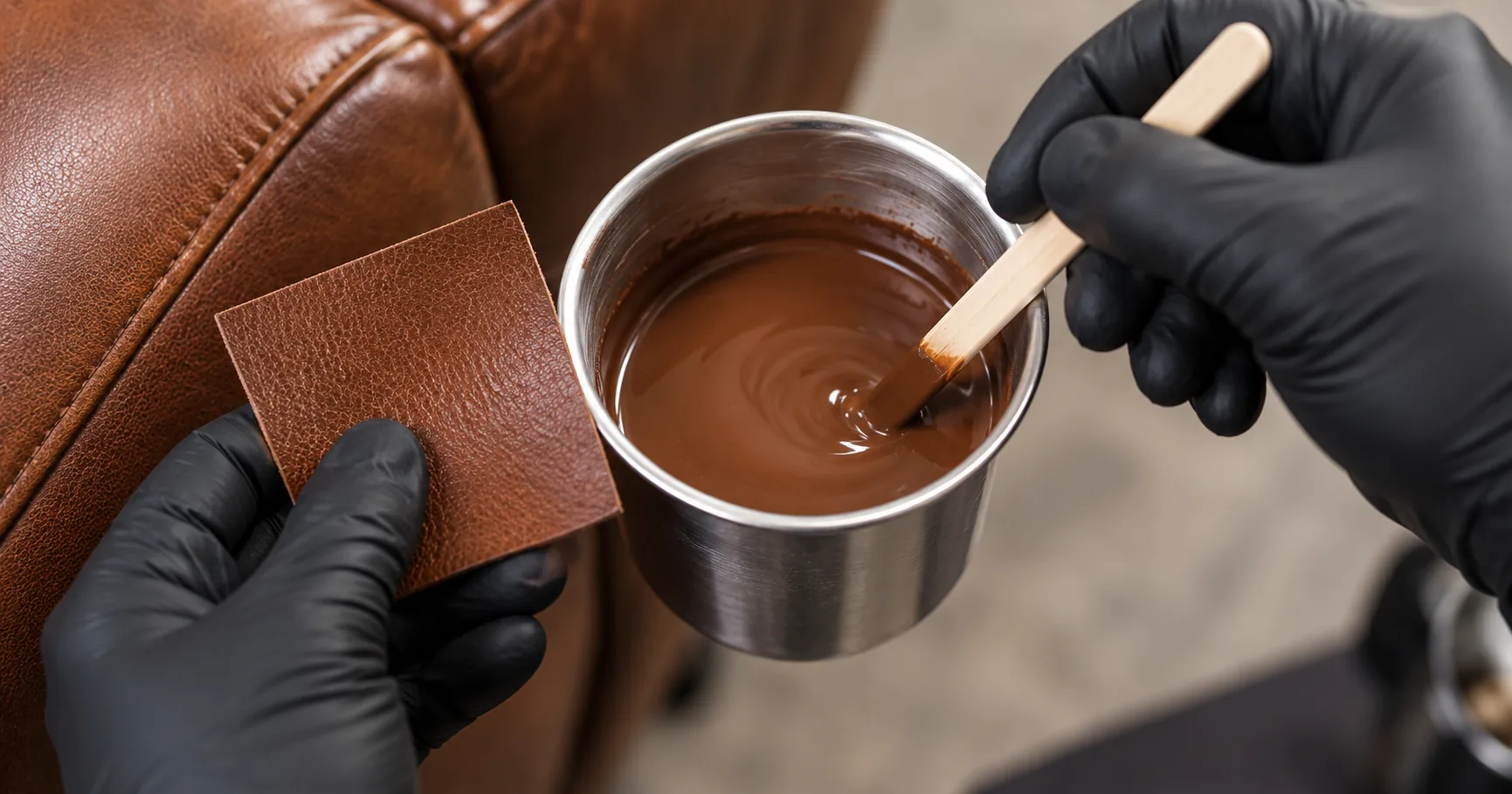
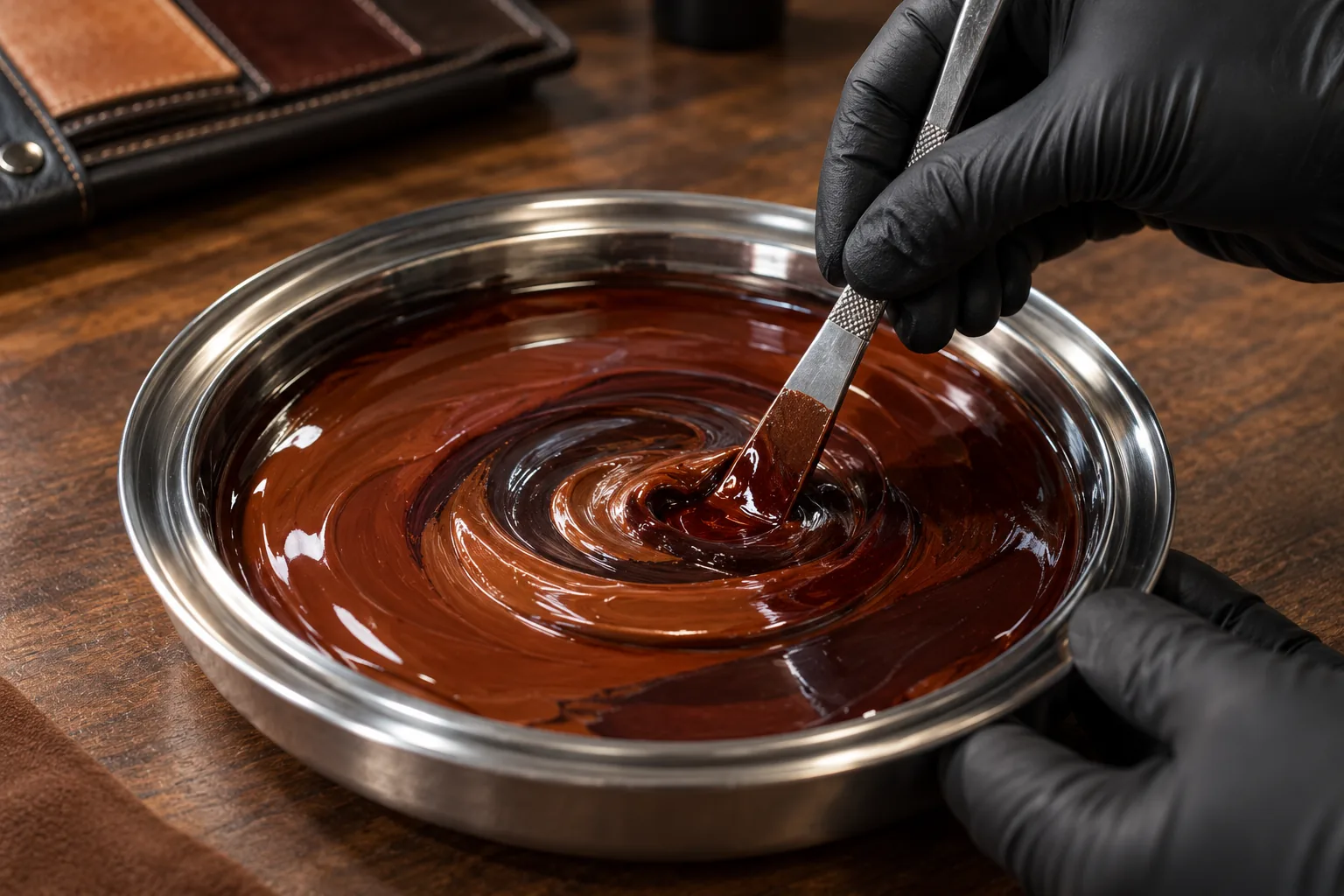
Colour is mixed in your room, under your light. A match made in a workshop and carried to a house with north-facing windows is not a match. We bring the base pigments and build the shade in front of the piece.
The last step is a sealer, and it needs time. Leave the piece unused overnight where you can. Cushions go back the same day; it is the sitting that we ask you to delay.
What it costs and when you pay
We quote the leather repair itself, not the hour. The number you get from the photographs is the number you pay, unless you ask for something extra once we are there.
Four things move the price: how old the mark is, whether the finish has been thinned by a household cleaner, how many panels have to be blended so the piece reads as one colour, and how hard the piece is to get at.
Nothing is due when you book. Payment is on completion, when you have looked at the work in your own light and are happy with it.
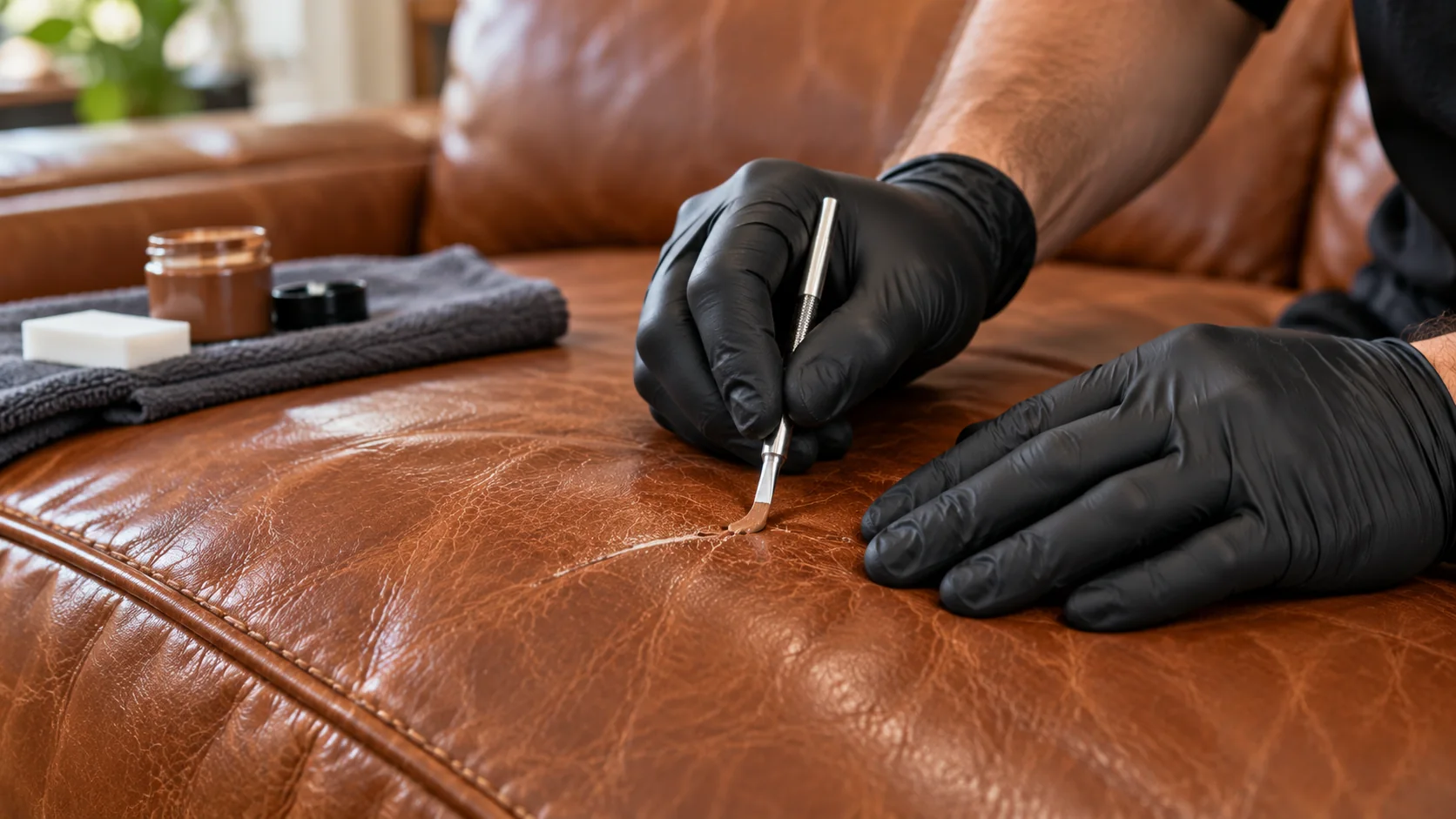
If you have already tried a cleaner, a wipe or a kit from a hardware store, say so when you send the photographs. It is not a confession — it usually adds one stage rather than changing the job, and it decides what we bring.
What the workmanship warranty covers
Every leather repair we carry out is guaranteed in writing. If work we made lifts, cracks or shifts colour under normal use, we come back and put it right at no charge.
What it does not cover is new damage, a different mark in a different place, or the rest of the hide continuing to age. We fix the panel we were paid to fix; we cannot stop the piece from being five years older next year.
You get before and after photographs with a written note of what was done, which is worth keeping if the furniture is insured or belongs to a landlord.
Why leather ages faster here than you expect
Two New Jersey habits send more leather to repair than daily use ever does, and both are easy to fix once you know.
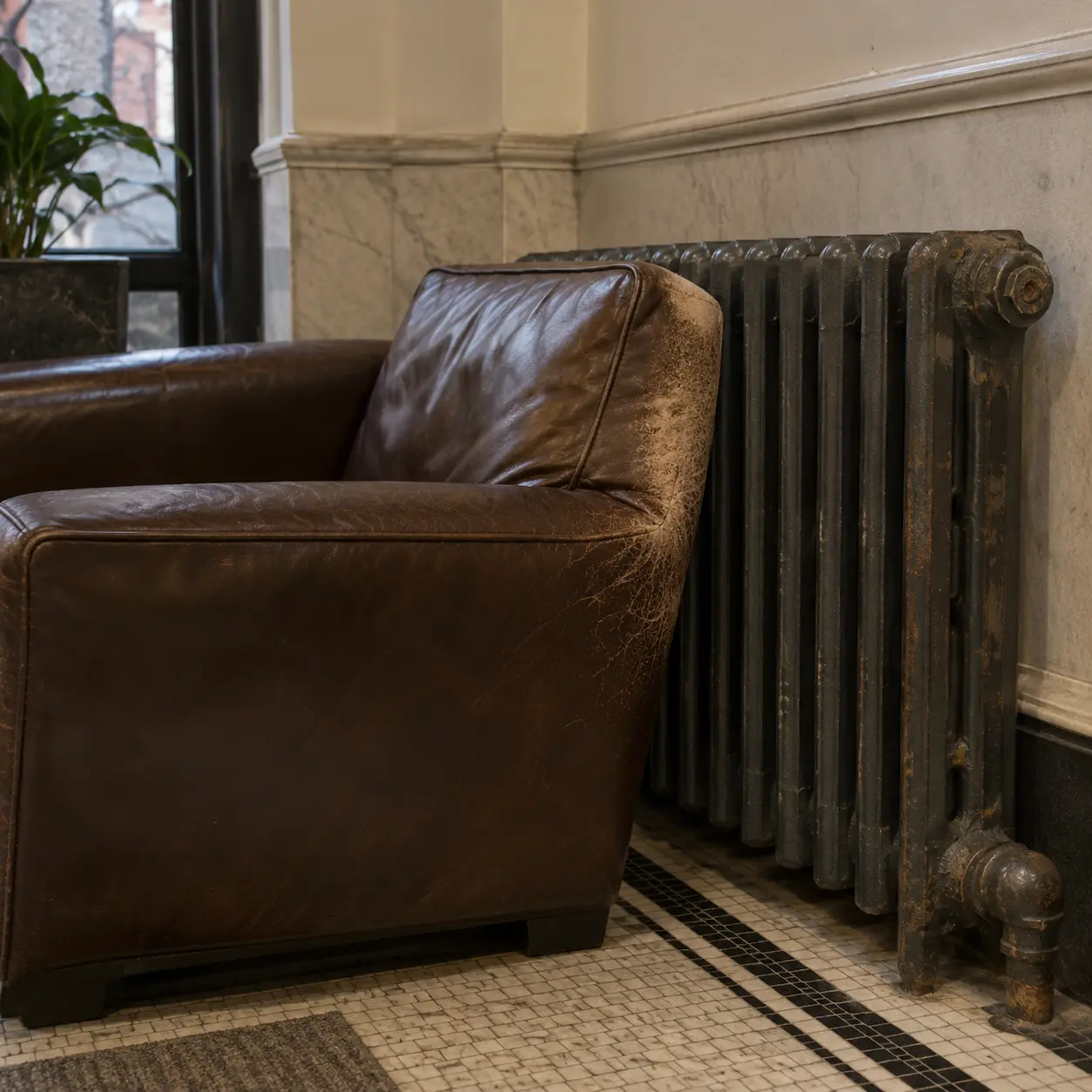
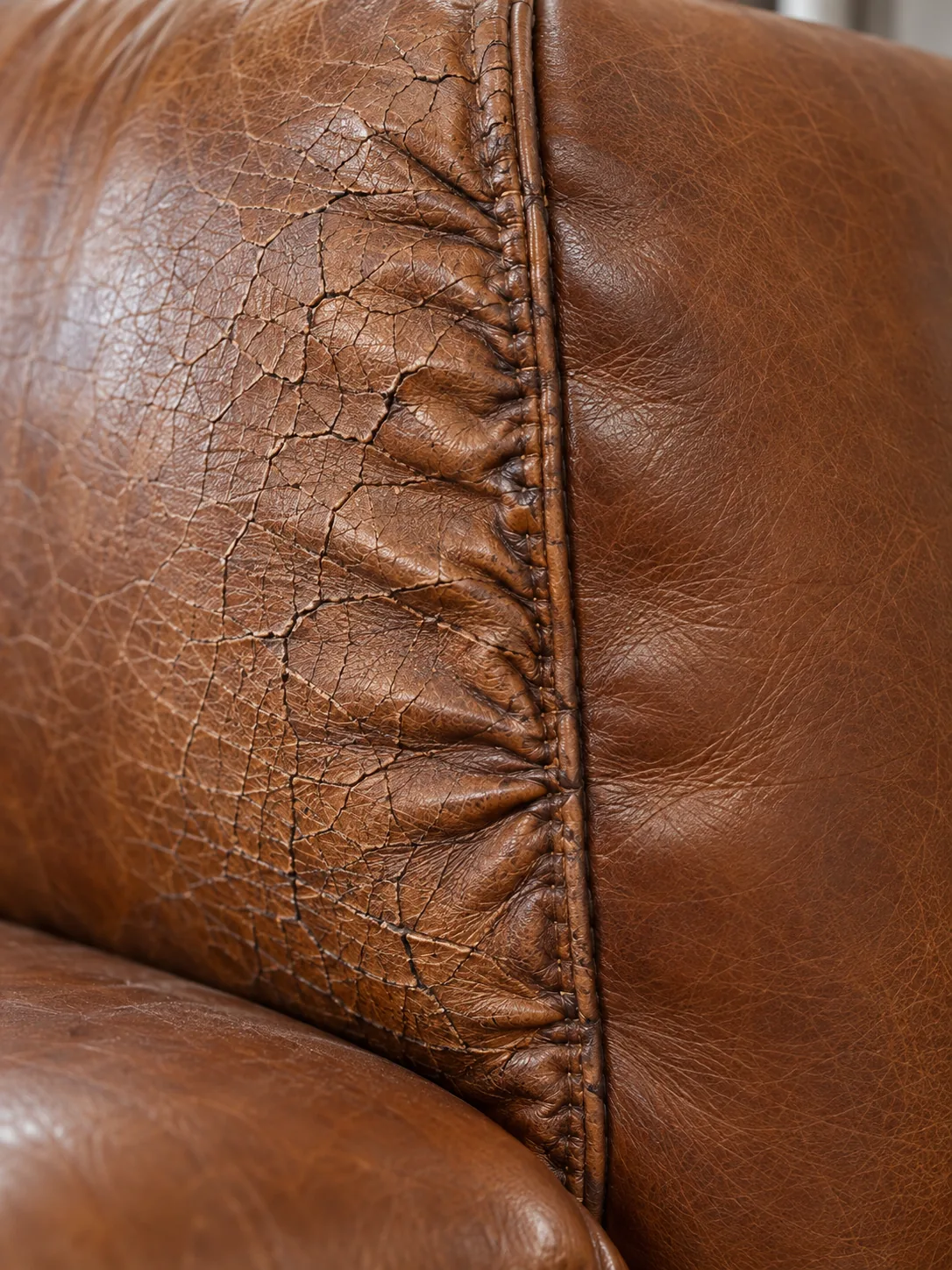
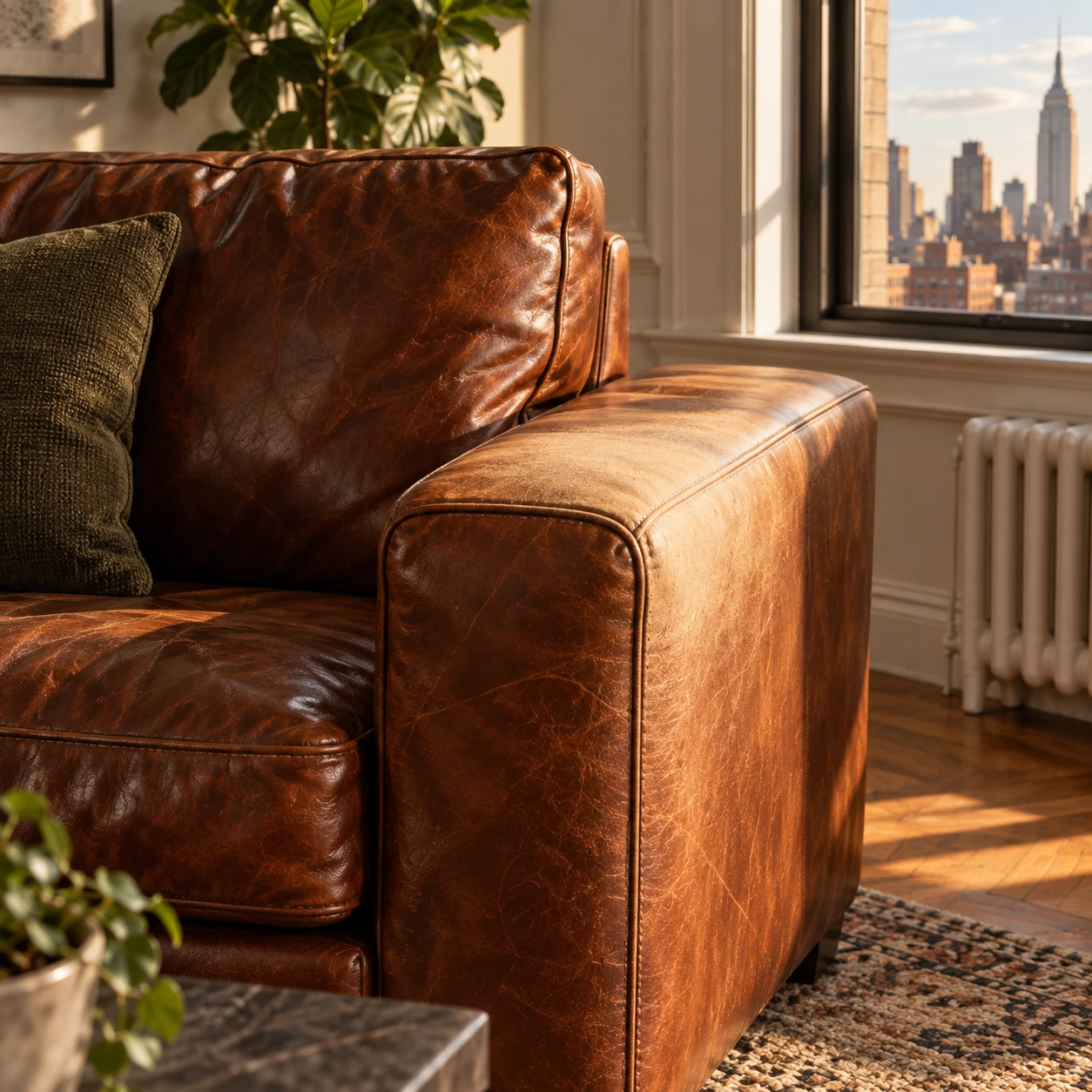
From November the heat runs for five months and indoor humidity drops to fifteen or twenty per cent, while hide wants forty to fifty. The oils migrate out, the finish goes brittle, and the first cracks appear on the seat front where the leather flexes most. A sofa sitting a foot from a baseboard or a radiator ages years faster on that side than the other — you can usually see the line.
Then in summer the shore counties swing the other way. Humid salt air keeps the hide damp, and anything already in the surface stays wet for longer and travels further. Pieces in a house that is closed up for weeks at a time suffer more than ones in daily use.
Neither needs a product. Move the piece eighteen inches off the heat, keep a humidifier running in the room you actually sit in, and rotate the cushions so the same panel is not always in the sun. That does more than any conditioner sold in a bottle.
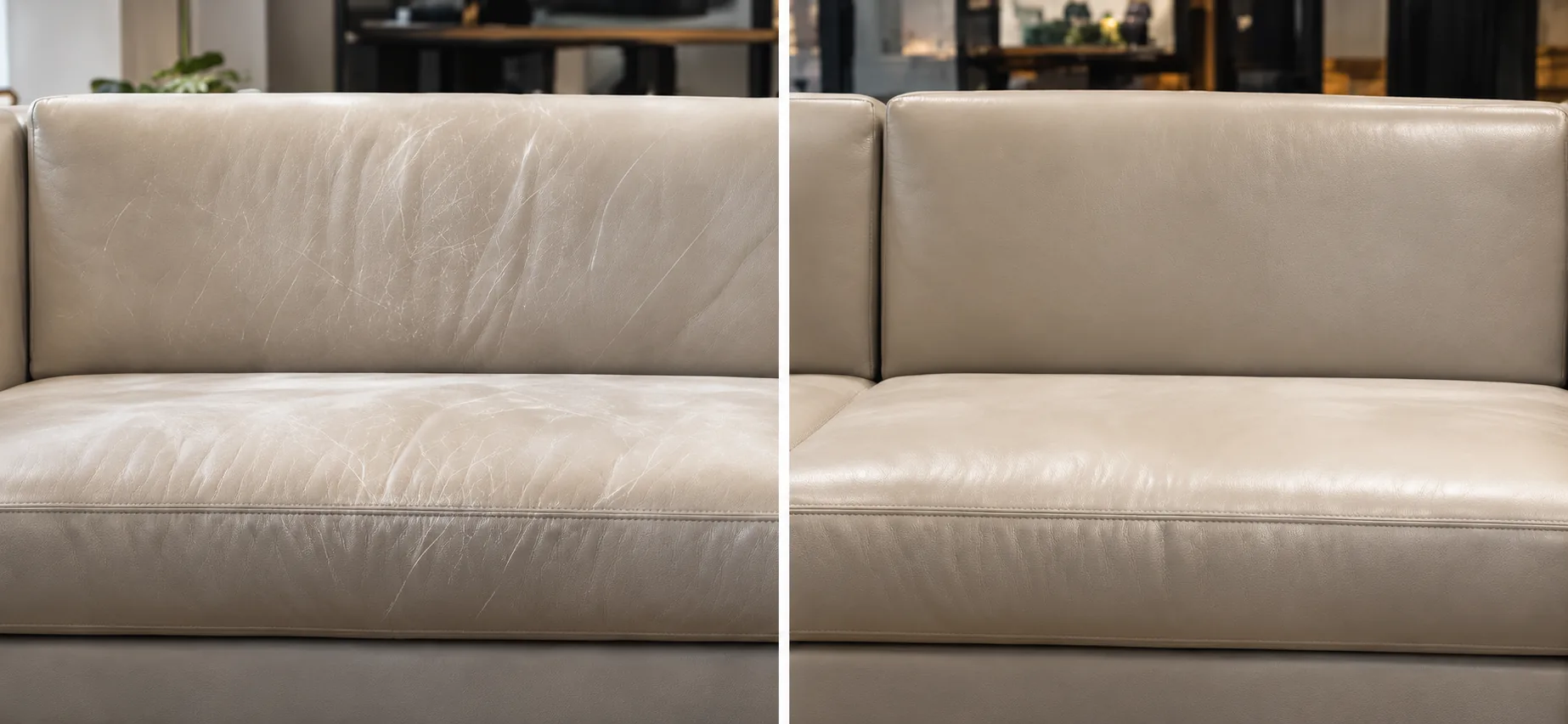
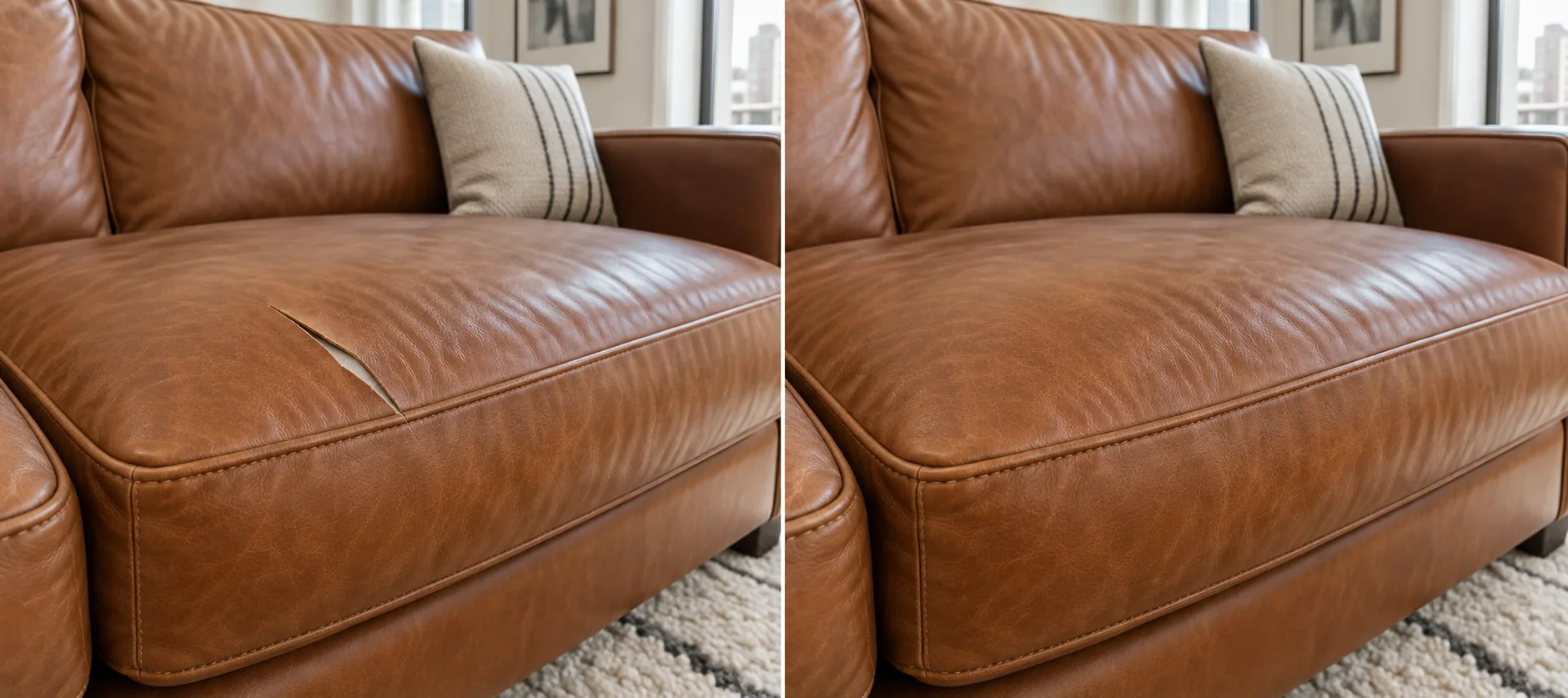
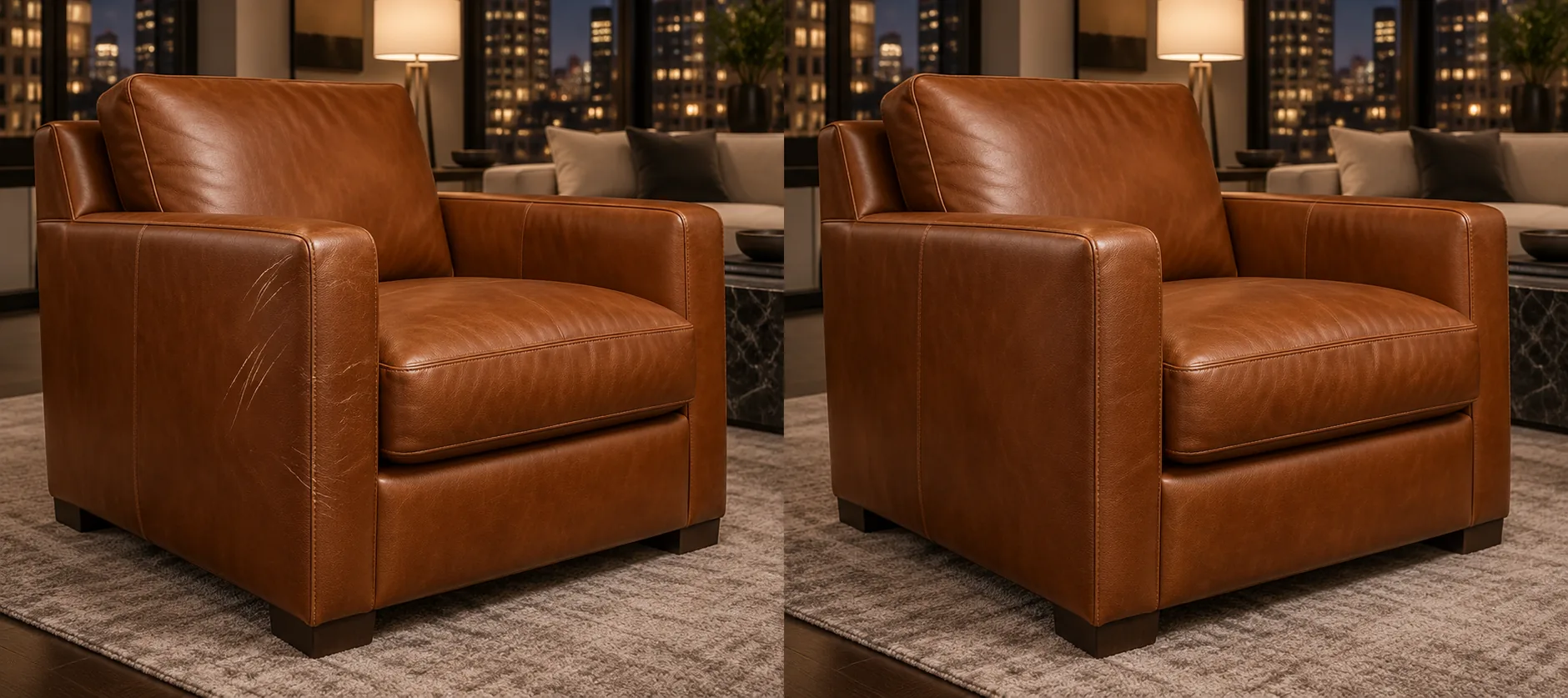
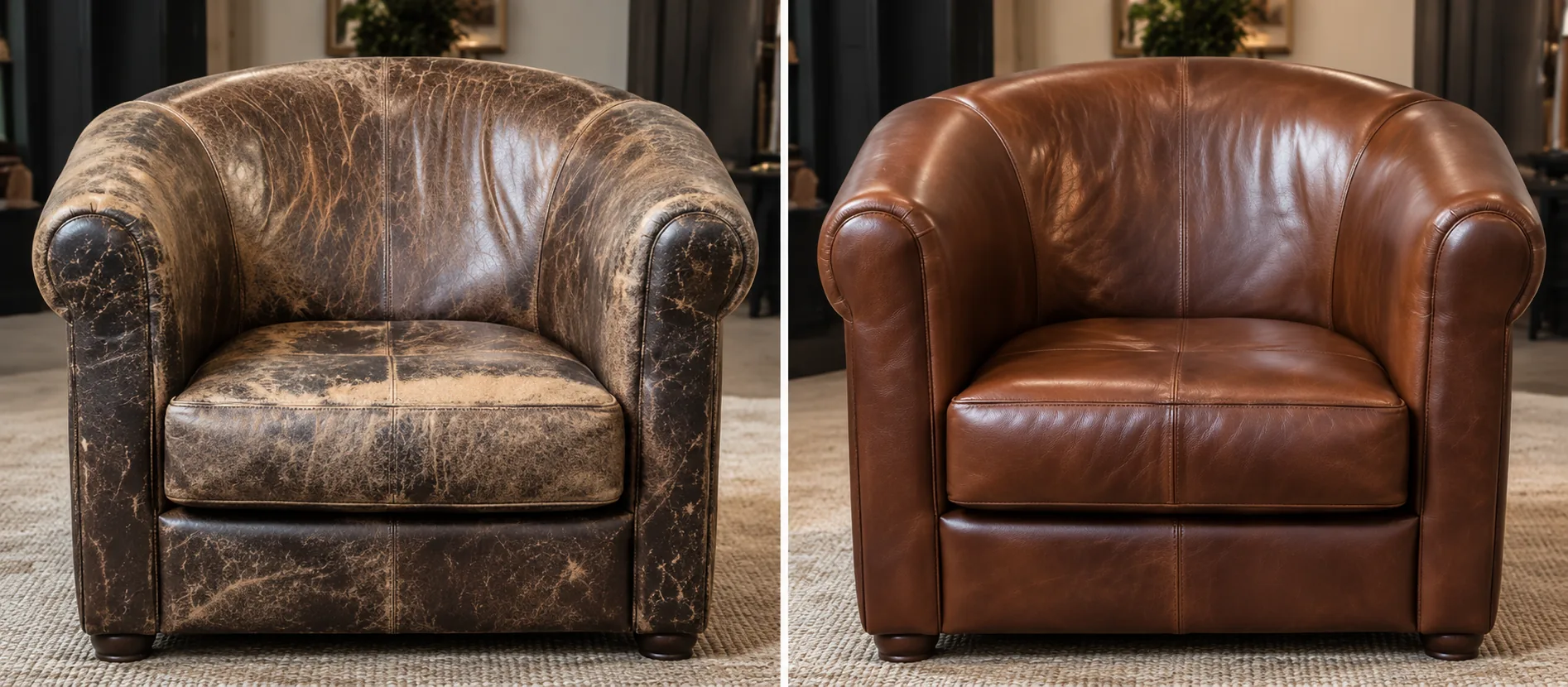
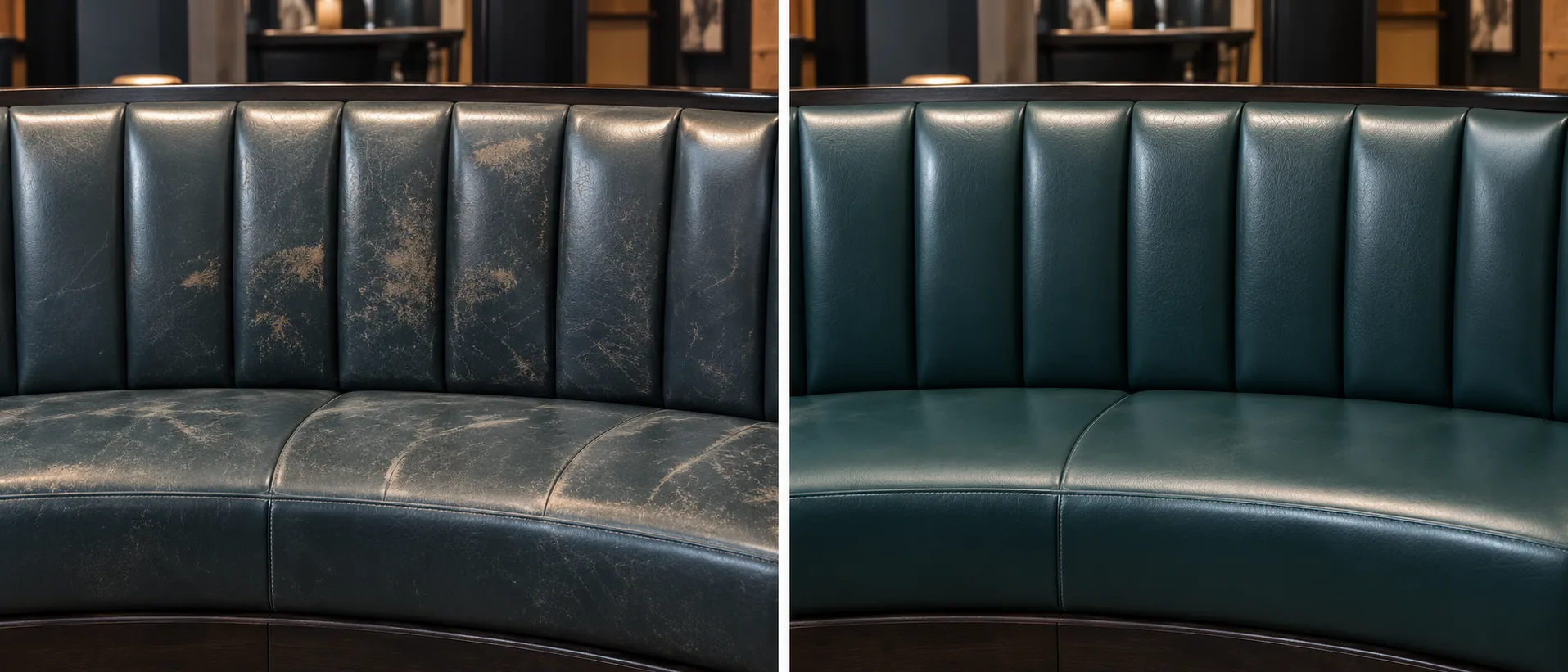
Before and after, same room, same visit
Every one of these leather repairs was finished on site in a New Jersey home, with the piece where it stood.

On site across New Jersey
We come to the house. Nearly every leather repair on this page happens in the room the furniture already lives in, which matters in the older colonials and split-levels where a sectional was built in place and will not come down the stairs.
The questions that come up every week
Do you have to take my sofa away?
Almost never. The overwhelming majority of what is on this page is finished in your room in a single visit. Pieces only leave when they are being reupholstered or when a frame needs work.
How long does a repair take?
Two to four hours for a typical leather panel. Full restoration of a large sectional can run a day. The sealer then wants overnight before the piece is used properly.
Will the repair be invisible?
On pigmented and semi-aniline hide, from normal distance, yes. On aniline, a deep mark may still be findable if you know exactly where to look, because the colour sits in the hide rather than on it. We will tell you which you have before we start.
Can you match the colour exactly?
Colour is mixed in your room against your piece, under your light. Matching in a workshop and carrying it to the house is how mismatches happen.
I already used a cleaner from under the sink. Have I ruined it?
Probably not. It usually thins the finish around the mark, which adds a rebuilding stage rather than changing the job. Tell us what you used — it decides what we bring.
Is the quote really free?
Yes, and it is given from photographs in most cases. No visit, no deposit, no obligation.
My sofa is bonded leather. Is it worth fixing?
Usually not for long. Bonded leather peels rather than cracks, and once the surface is lifting it will keep lifting. We will tidy it and tell you honestly how long that buys you.
Do you work on fabric as well as leather?
Yes. Cleaning, cushion rebuilding and full recovering in fabric are all part of the service list. The diagnosis is the same; the method is not.
What about car seats, boats and office chairs?
All of them. Vehicle and marine upholstery, and commercial seating in offices, restaurants and medical waiting rooms.
How soon can you come?
Usually within the same week across North and Central New Jersey. Urgent work before a move-out or an event can often be fitted sooner — say so when you call.
Do you work with landlords and property managers?
Yes, per unit or across a building, with written documentation and photographs for each piece.
Is repairing cheaper than replacing?
For finish-level damage, almost always, and by a wide margin. A replacement also has to match the pieces around it, which a repair already does.
There is a burn as well as a stain. One visit?
Yes, and they are quoted together, because both finish in the same colour work. The burn is cut back and filled level first.
How do I stop it happening again?
Keep the piece off direct heat, hold the room near forty per cent humidity through the winter, rotate cushions, and blot spills rather than rubbing them. That is most of it.

Tell us what it is and we will tell you what it needs
Send four photographs and we quote the leather repair the same day in most cases, with a price and the next open visit. No deposit, and no visit required first.
Or email office@leatherrestorepro.com — all the ways to reach us are on the contact page.